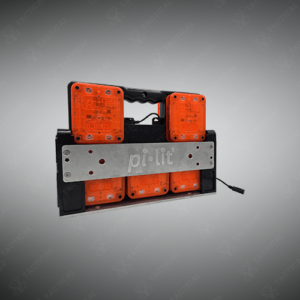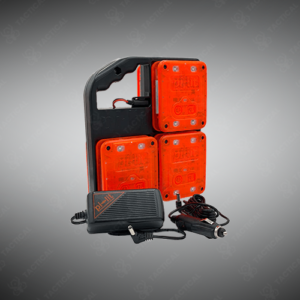
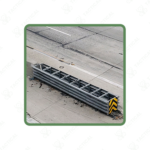
Impact Detection System
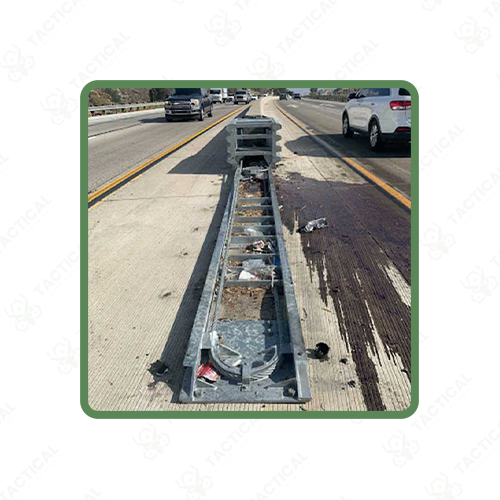
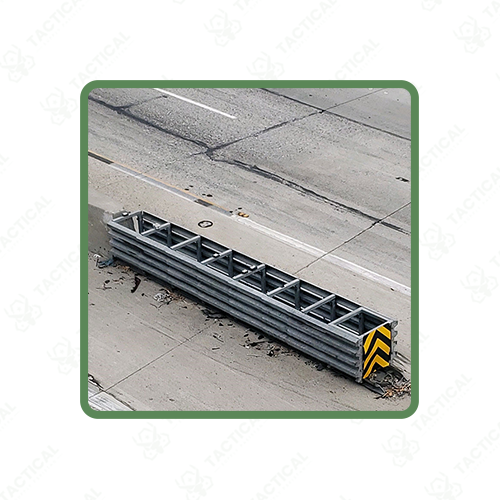
A smart, radio-mesh impact monitoring system that provides real-time alerts for crash cushions, barriers, and work zone safety devices to enhance asset management and incident response.
Key Features:
✔️ Radio mesh network allows multiple IDS Nodes to report through a single Gateway, reducing deployment costs
✔️ Receives impact notifications within 60 seconds via email or text, with timestamp, location, and device photo
✔️ 2.4 GHz mesh network and cellular Gateway provide secure, wide-area coverage with international roaming
✔️ Quick, tool-free deployment in under 2 minutes without modifying safety devices
✔️ Adjustable sensitivity and remote configuration via the Dashboard for precise monitoring
✔️ IP67-rated, dust- and water-resistant sensors with 4-year battery life and low-battery alerts
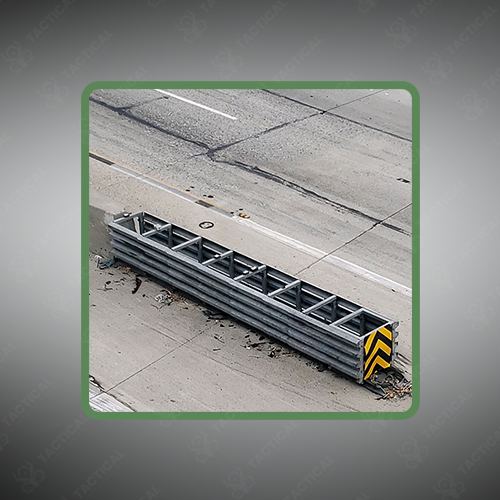
✔️ Monitors crash cushions, guardrails, cable barriers, signs, railroad gates, and work zone delineators
✔️ Provides historical event review and graphical analysis of G-forces and impact dynamics
Impact Detection System
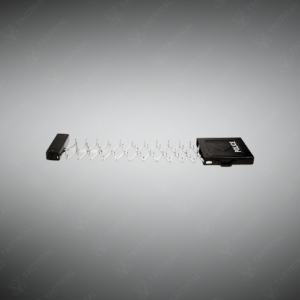
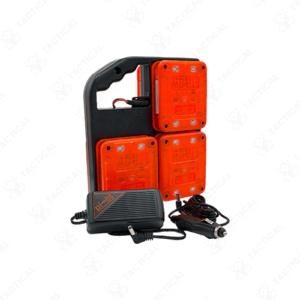
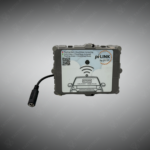
The Impact Detection System consists of two sensor variants: the IDS Gateway with integrated cellular modem and the IDS Node without cellular capability. Both units measure approximately 4 x 3 x 1.5 inches and feature IP67-rated enclosures that resist dust and water ingress. Each device contains a three-axis accelerometer calibrated to detect impacts at 2,500 milli-G threshold levels, adjustable remotely through dashboard controls. The Gateway operates on AT&T cellular networks with international roaming support, while Nodes communicate via 2.4GHz proprietary radio mesh protocol across distances up to 150 meters in unobstructed conditions.
Battery systems provide four-year operational lifespans with low-power alerts triggering at 25 percent capacity remaining. The sensors transmit impact notifications within 60 seconds, including timestamp data, GPS coordinates, graphical G-force analysis, and deployment photographs. Installation requires no tools, mounting brackets, or structural modifications to monitored assets. Daily health reports confirm device connectivity, and failure-to-check-in alerts notify administrators of communication disruptions. The mesh network architecture allows multiple Nodes to relay data through a single Gateway, reducing cellular service costs. Sensitivity settings and user permissions configure through web-based dashboards accessible from any internet connection.
Military base security teams install the Impact Detection System on perimeter barriers to detect vehicle-borne threats attempting forced entry at access control points. Air force flight line managers monitor arresting barriers and crash cushions protecting aircraft parking areas from runway incursions. Naval port facilities use these sensors on bollards and crash beams that protect moored vessels from vehicle impacts. Army transportation units track damage to convoy route barriers in remote locations without constant physical inspection requirements.
Tactical Supply Pakistan provides infrastructure monitoring technology that reduces response times to security breaches and equipment failures across distributed facilities.
Can one Gateway support sensors spread across multiple separate locations?
No. Gateway and Nodes must maintain radio mesh connectivity within 150-meter range. Separate locations require dedicated Gateways for each site cluster.
- Fast Shipping: We partner with reliable delivery services to make sure your order gets to you quickly. We work hard to ensure every package arrives safely and on time.
- Quick Processing: Your order is processed and prepared for shipping within 24 to 48 hours. This allows us to send it out to you as fast as possible after your payment is confirmed.
- Tracking: Once your order is on its way, we will provide you with a tracking number. You can use this number to easily follow your package's journey and know exactly when it will arrive.
- Nationwide Delivery: We offer delivery to all locations across Pakistan, including major cities and remote areas. No matter where you are, we can get your order to you.
At Tactical Supply Pakistan, our relationship with you doesn't end after a sale. We are dedicated to making the long-term performance and reliability of our high-quality tactical and supplied equipment. Our commitment is to provide you with seamless support and peace of mind.
- Free Installation: We'll set up your new equipment for you, so it's ready to go. You can focus on your work while our engineers handle as per the guidelines for manufacturer.
- Maintenance: We offer quick replacements where necessary, to keep your gear in top condition. Our team will make sure your equipment is always ready when you need it.
- Customer Support: We're always here to help. Our support team is available to answer your questions and assist you long after you've made a purchase.
- Planned Preventative Maintenance: Our service includes preventative maintenance to keep your equipment in peak condition and prevent future issues.
HAVE QUESTIONS?
Fill out the form, and our team will respond promptly to assist with your product inquiries or order support.