Mobile and Fixed Weather Radar
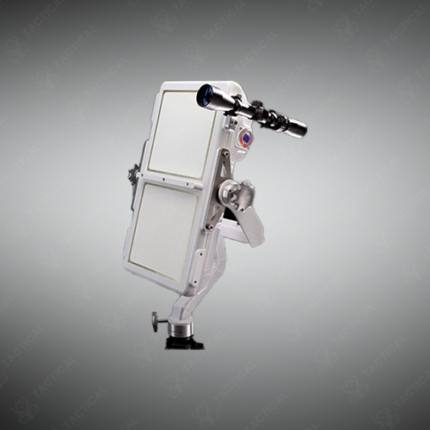
Mobile and Fixed-Based Weather Radar Systems detect precipitation, storm formations, and atmospheric conditions across two distinct deployment configurations, with mobile systems offering deployment flexibility for specific operational needs and fixed installations providing permanent, continuous coverage for established meteorological monitoring stations. Meteorological agencies and military weather units operate both configuration types because different operational scenarios demand either the rapid repositioning capability mobile systems provide or the sustained, uninterrupted coverage that permanent fixed installations deliver. Therefore, deployment configuration selection directly depends on whether the application requires permanent area coverage or temporary, situationally responsive radar capability.
Fixed-based weather radar installations use large parabolic dish or phased array antennas mounted on permanent towers, achieving detection ranges typically extending 150 to 250 kilometers for precipitation detection depending on radar frequency band and antenna size. Furthermore, these installations connect to national meteorological networks, contributing continuous data feeds that support weather forecasting, severe storm warning systems, and aviation weather services requiring uninterrupted monitoring coverage.
Mobile weather radar systems mount smaller antenna arrays on vehicle platforms or trailers, sacrificing some detection range and resolution compared to fixed installations in exchange for the ability to relocate quickly to areas requiring temporary or supplemental coverage. Consequently, mobile systems serve applications including storm research deployment, military field weather support, and temporary coverage during fixed system maintenance outages.
Both configuration types typically operate at S-band, C-band, or X-band frequencies, with frequency selection involving trade-offs between detection range, resolution, and sensitivity to different precipitation types. Additionally, dual-polarization capability on modern weather radar systems, whether mobile or fixed, measures both horizontal and vertical signal returns, improving precipitation type classification and rainfall rate estimation accuracy beyond single-polarization radar capability.
Doppler velocity measurement integrated into both system types detects wind shear, rotation signatures associated with tornado formation, and storm movement direction, supporting severe weather warning generation.
In Pakistan, mobile and fixed weather radar systems serve the Pakistan Meteorological Department’s national forecasting network, military weather support units, and aviation weather services requiring reliable precipitation and storm detection. Tactical Supply Pakistan supplies Mobile and Fixed-Based Weather Radar Systems for meteorological and defense procurement across Pakistan.
Showing the single result