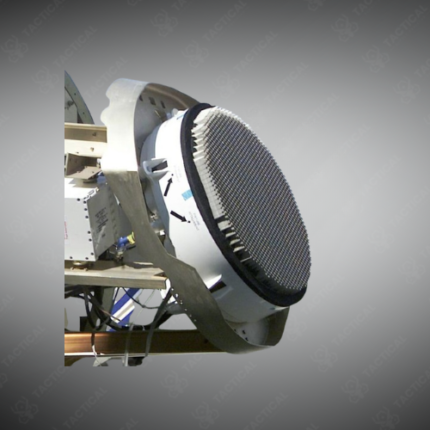
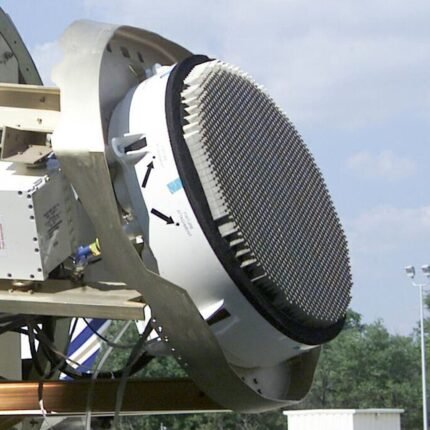
Millimeter Wave Sensor
A Millimeter Wave Sensor detects objects, motion, and physiological signals by transmitting and receiving radio frequency energy in the 30 to 300 gigahertz range, converting reflected signal characteristics into measurable distance, velocity, and angular position data. Robotics engineers and security system designers select millimeter wave sensors because the short wavelength at these frequencies enables detection precision and compact sensor packaging that lower-frequency alternatives cannot achieve simultaneously. Therefore, mmWave sensor selection directly determines achievable resolution within the physical size constraints many integrated applications impose.
The sensor architecture typically combines a transmit antenna array, receive antenna array, and signal processing electronics within a compact module, often measuring just a few centimeters across despite operating at frequencies requiring precise manufacturing tolerances. Furthermore, frequency-modulated continuous wave (FMCW) signal processing extracts range, velocity, and angular information simultaneously from the reflected signal, providing a complete spatial and motion picture of detected objects within the sensor’s field of view.
Operating frequency selection among common bands, including 24GHz, 60GHz, and 77GHz, involves trade-offs between detection range, resolution, and regulatory spectrum allocation in different countries and applications. Consequently, 77GHz sensors typically achieve finer range resolution suited to precise measurement tasks, while 60GHz sensors find common use in shorter-range gesture recognition and presence detection applications.
Penetration through non-metallic materials including clothing, drywall, and plastic enclosures extends millimeter wave sensor applications into through-barrier human presence detection, distinguishing this sensor type from optical alternatives that cannot see through solid obstructions. Additionally, the sensor maintains consistent performance across lighting conditions and weather, functioning identically in complete darkness or bright sunlight where camera-based sensing experiences significant variability.
Output interfaces including SPI, UART, and CAN bus support integration into embedded systems, robotics platforms, and security equipment requiring real-time object and motion detection data.
In Pakistan, millimeter wave sensors serve robotics development, security and access control systems, automotive safety integration, and human presence detection applications. Tactical Supply Pakistan supplies Millimeter Wave Sensors for robotics, security, and automotive procurement across Pakistan.
Showing the single result