IR Missile Seeker Cooling
IR missile seeker cooling is the thermal management process that reduces the operating temperature of an infrared detector element inside a missile seeker head to the cryogenic levels required for detecting low-contrast heat signatures from aircraft engines, exhaust plumes, and airframe skin heating at tactically relevant engagement ranges. Infrared detectors operating at ambient temperature generate excessive internal thermal noise that masks the faint IR signals emitted by airborne targets. Cooling the detector to temperatures between 77K and 200K depending on the detector material suppresses this thermal noise floor, dramatically increasing the signal-to-noise ratio and enabling reliable target detection and tracking at distances of several kilometers.
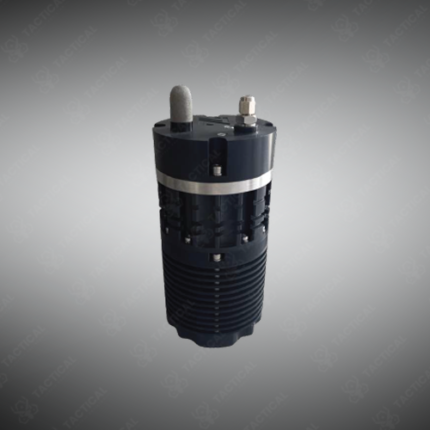
Cooling systems used in IR missile seekers include Joule-Thomson coolers that expand high-pressure gas through a micro-orifice to achieve rapid cryogenic cooling within seconds of activation, Stirling-cycle mechanical coolers using a reciprocating piston mechanism to pump heat away from the detector continuously during flight, and stored cryogen systems using liquid nitrogen or liquid argon in a small insulated reservoir.
In Pakistan, IR missile seeker cooling technology is relevant to defense procurement, missile system maintenance programs, and defense research organizations evaluating and supporting guided weapon system performance across the country’s air defense and tactical missile inventories.
Tactical Supply Pakistan supports defense and research organizations in Pakistan with IR seeker cooling system components, technical documentation, and specialist procurement for missile maintenance and defense technology programs.
Showing the single result