FLAME CUTTING
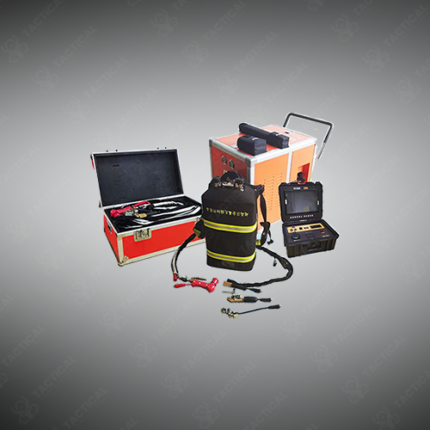
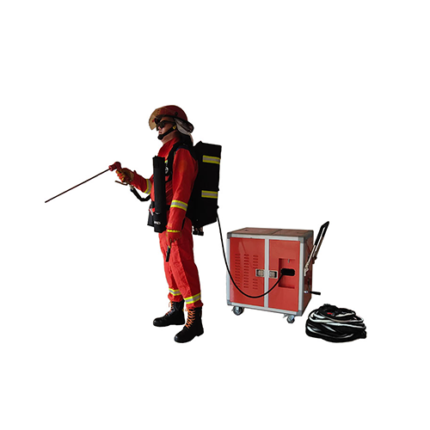
Flame cutting encompasses torch-based thermal cutting processes employing high-temperature flames enabling rapid severing of steel structures during emergency rescue or demolition operations. The flame approach provides portable capability enabling field deployment without requiring stationary infrastructure.
Flame cutting methodologies include oxy-acetylene cutting employing acetylene fuel mixed with oxygen generating temperatures exceeding 3,200°C enabling rapid steel melting and cutting. Oxy-propane systems employ propane fuel providing lower cost and improved safety. Hand torches enable operator directional control positioning flame at cutting location. Cutting speeds typically achieve 300–600mm per minute depending on steel thickness and operator skill.
Operational deployment includes structural steel cutting during building collapse rescue enabling personnel extraction from debris, vehicle cutting during accident extrication enabling trapped occupant release, and demolition applications enabling controlled structure removal. Rapid cutting enables swift rescue operations minimising prolonged entrapment.
Safety considerations include thermal protection (leather gloves, welding apron, face shield) preventing operator burns from radiant heat, proper ventilation preventing hazardous fume inhalation (metal oxides, carbon dioxide), and fire suppression equipment preventing uncontrolled ignition in adjacent materials. Wet sand or water suppression systems extinguish flames after cutting completion.
Environmental considerations include toxic fume generation requiring outdoor use or mechanical ventilation. Post-cutting residue (molten slag) requires proper containment preventing surface burns or contamination.
In Pakistan, flame cutting supports emergency rescue and demolition operations.
Tactical Supply Pakistan supplies flame cutting equipment and guidance for emergency rescue and cutting applications.
Showing the single result