Double Swab Technique for Collecting Touched Evidence
A double swab technique for collecting touched evidence is a forensic sampling methodology employing sequential swabbing of the same evidence surface enabling collection of surface epithelial cells while preserving underlying DNA for subsequent analysis. The double-swab approach maximises DNA recovery from contact evidence through multiple sampling cycles.
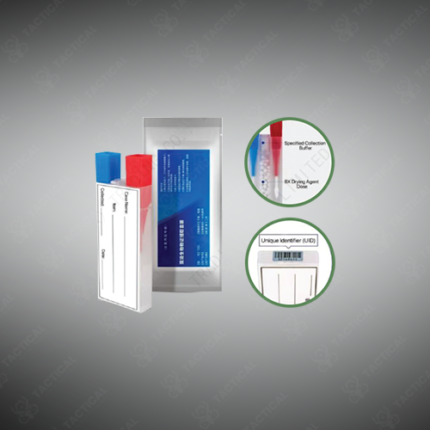
The double swab procedure involves first swabbing target evidence surface with sterile swab collecting surface layer epithelial cells deposited through direct contact. This initial swab is placed into DNA stabiliser solution. A second swab then samples the same surface area collecting additional DNA potentially embedded deeper within porous materials. Successive swabs enable collection from progressive material layers maximising total DNA recovery.
Operational applications include evidence items contaminated with multiple persons’ DNA where successive swabbing enables collection of dominant contributor DNA on first swab and minor contributors on subsequent swabs. Porous materials including textiles or wood surfaces retain DNA in surface and subsurface layers requiring sequential sampling for complete recovery. Evidence degradation from environmental exposure requires multiple sampling attempts maximising recovery probability.
Collection procedures require careful swab pressure and technique ensuring consistent sampling across swab iterations. Documentation records number of swabs attempted from each evidence item enabling laboratory interpretation of contamination likelihood.
Laboratory analysis employs DNA extraction, quantification, and genetic profiling enabling individual identification through comparison against databases. Statistical analysis of peak heights indicates presence of multiple DNA contributors assisting interpretation of complex mixed samples.
In Pakistan, double swab technique supports law enforcement forensic investigations.
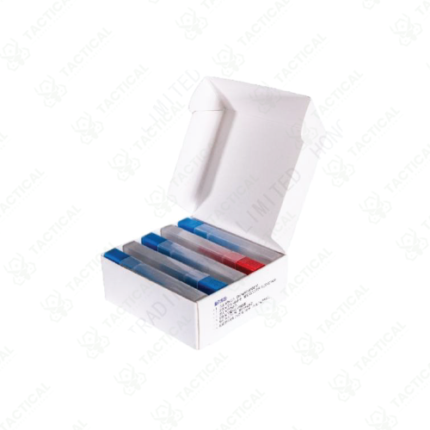
Tactical Supply Pakistan supplies sterile swab kits for forensic DNA collection applications.
Showing the single result