Countering the Shahed-136
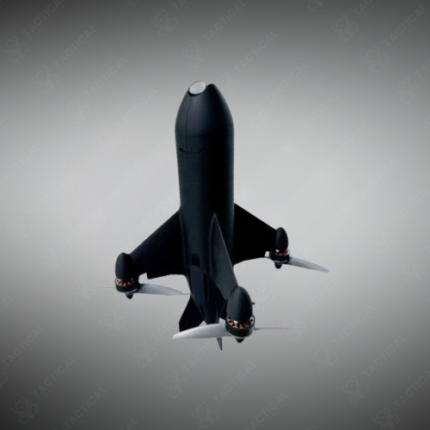
Countering the Shahed-136 refers to defensive strategies and systems addressing the Iranian-designed Shahed-136 unmanned aerial vehicle — a loitering munition (suicide drone) characterised by long endurance, GPS/GLONASS navigation, and explosive payload delivery capability. The counter-Shahed approach requires integrated air defence spanning detection, tracking, and kinetic or directed energy engagement.
The Shahed-136 technical characteristics include 2,400 kilometre range, 35-hour endurance enabling trans-regional operation, 40-50 kilogram warhead enabling significant structural damage, and relatively low cost enabling affordable deep-strike operations. Radar detection requires surveillance systems with sufficient sensitivity detecting small radar cross-section targets and computational capability tracking targets across extended operational ranges.
Counter-Shahed system requirements include extended-range radar detecting Shahed at 50+ kilometre ranges enabling early warning, high-altitude air defence systems (HIMAD) capable of engaging targets at 5,000+ metre altitude, and rapid-response kinetic interceptors enabling target engagement despite high approach velocity. Stacked layered defence combining long-range air defence through medium-range systems to point defence provides maximum coverage.
Integration with command and control networks enables automated threat tracking across multiple radar stations and coordinated engagement across multiple interceptor platforms. Shared situational awareness prevents redundant engagement enabling efficient resource utilisation.
In Pakistan, counter-Shahed capability addresses potential Iranian or non-state actor cross-border threats.
Tactical Supply Pakistan provides technical information on counter-unmanned aircraft systems addressing Shahed-136 threats.
Showing the single result