Dam Piping and Leakage Detection
A professional geophysical detection system designed to accurately locate dam piping and seepage using current density field analysis for flood control and dam safety management.
Key Features:
✔️Based on the flow field method, enabling precise identification of piping and seepage anomalies in dam bodies and foundations
✔️Uses pseudo-random current signal transmission with near-field source enhancement for improved detection reliability
✔️Fully digital signal acquisition and processing ensure stable, repeatable, and field-ready performance
✔️Five-level adjustable output voltage (20–100 V) supports flexible deployment under varying site conditions
✔️High-resolution current density field measurement with sensitivity above 1.0×10⁻⁴ A/m²
✔️Real-time curve display allows rapid on-site analysis and immediate anomaly localization
✔️Embedded industrial control computer with intuitive human-machine interface for efficient field operation
✔️Data storage, tagging, and post-processing capabilities support reporting, review, and long-term dam management
Dam Piping and Leakage Detection
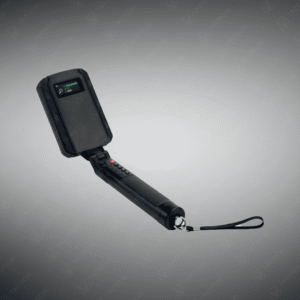
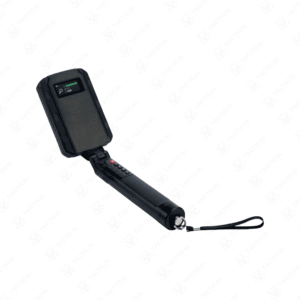
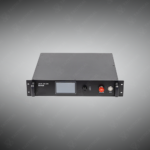
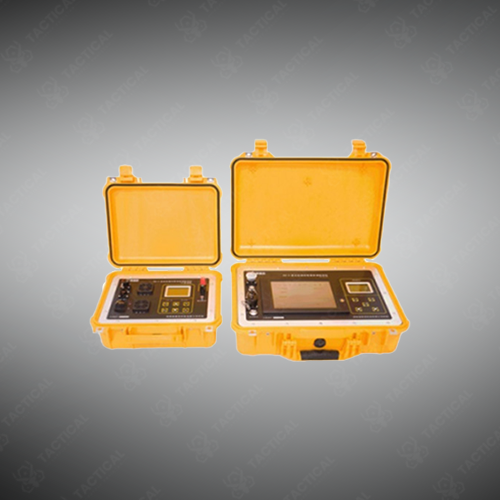
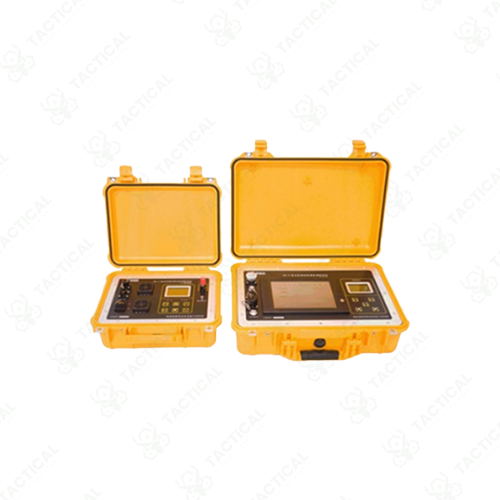
Dam Piping and Leakage Detection Instrument LSDLD-20 comprises three components: transmitter unit, receiver module, and sensor array for subsurface anomaly mapping. The system applies flow field method theory with pseudo-random current signal transmission across dam structures. The transmitter delivers five adjustable output voltages: 20V, 40V, 60V, 80V, and 100V with maximum 1A current output and 20-29V input voltage range. Output frequency drift remains below 7×10^-4 over seven-hour continuous operation periods.
Receiver sensitivity exceeds 1.0×10^-4 A/m² with measurement range spanning 250μV to 60mV and ≤±2% measurement error. Input impedance maintains ≥150kΩ with >50dB power frequency interference immunity. The embedded industrial control computer integrates RTK and depth sounder connectivity for high-resolution positioning during water surface surveys. Digital signal acquisition processes current density field variations in real-time, generating immediate anomaly curves for on-site interpretation. Data storage functionality tags measurement locations with post-processing capability for comprehensive reporting.
Flood control agencies deploy the Dam Piping and Leakage Detection Instrument during high-water events requiring rapid structural integrity assessment before catastrophic failure propagation. Military engineering corps utilize these detectors for strategic reservoir inspection programs protecting water supply infrastructure. Airforce base earthen berms surrounding fuel storage facilities undergo periodic seepage monitoring preventing environmental contamination. Civil defense organizations maintain equipment stockpiles for emergency dam safety evaluations during natural disaster response operations.
Tactical Supply Pakistan supplies geophysical instrumentation supporting critical infrastructure monitoring and emergency response capabilities, delivering detection systems with field-proven performance in harsh environmental conditions and rapid deployment requirements.
How does the pseudo-random current method differentiate seepage zones from natural geological variations?
Pseudo-random signals create distinctive current density patterns that respond differently to water-saturated pathways versus intact material, allowing algorithms to isolate seepage anomalies from background geological conductivity variations through comparative signal analysis.
- Fast Shipping: We partner with reliable delivery services to make sure your order gets to you quickly. We work hard to ensure every package arrives safely and on time.
- Quick Processing: Your order is processed and prepared for shipping within 24 to 48 hours. This allows us to send it out to you as fast as possible after your payment is confirmed.
- Tracking: Once your order is on its way, we will provide you with a tracking number. You can use this number to easily follow your package's journey and know exactly when it will arrive.
- Nationwide Delivery: We offer delivery to all locations across Pakistan, including major cities and remote areas. No matter where you are, we can get your order to you.
At Tactical Supply Pakistan, our relationship with you doesn't end after a sale. We are dedicated to making the long-term performance and reliability of our high-quality tactical and supplied equipment. Our commitment is to provide you with seamless support and peace of mind.
- Free Installation: We'll set up your new equipment for you, so it's ready to go. You can focus on your work while our engineers handle as per the guidelines for manufacturer.
- Maintenance: We offer quick replacements where necessary, to keep your gear in top condition. Our team will make sure your equipment is always ready when you need it.
- Customer Support: We're always here to help. Our support team is available to answer your questions and assist you long after you've made a purchase.
- Planned Preventative Maintenance: Our service includes preventative maintenance to keep your equipment in peak condition and prevent future issues.
HAVE QUESTIONS?
Fill out the form, and our team will respond promptly to assist with your product inquiries or order support.