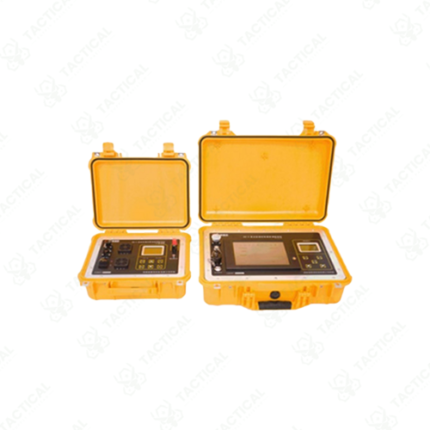
Detecting Leakage
Detecting leakage encompasses technical methods identifying unintended electromagnetic radiation, RF signal escape, or acoustic transmission from secure facilities indicating potential compromise of communication security or information disclosure. The leakage detection approach identifies vulnerabilities preventing adversary exploitation through signals intelligence (SIGINT) collection.
Electromagnetic leakage detection employs broadband RF monitoring systems scanning frequency spectrum 10MHz to 40GHz identifying unshielded signals propagating beyond facility boundaries. Measurement of signal strength and modulation characteristics enables identification of source equipment and information content enabling assessment of disclosure severity. Shielded enclosures (Faraday cages) employed during sensitive operations attenuate leakage below detection thresholds.
Acoustic leakage detection addresses unintended sound transmission through walls, windows, or ventilation systems enabling remote eavesdropping on conversations. Vibration monitoring identifies structural vibration from speech transmitted through building materials enabling acoustic reconstruction. Sophisticated attacks employ laser vibrometry detecting window vibration at extended ranges enabling speech recovery.
Operational security measures including electromagnetic shielding, acoustic treatment of sensitive spaces, and electromagnetic emission control discipline address identified vulnerabilities. Periodic vulnerability assessments identify degradation requiring remediation before exploitation opportunity emerges.
Integration with security operations centres enables continuous monitoring and rapid response to detected anomalies. Red team exercises simulating adversary intelligence collection assessment vulnerability effectiveness against determined adversaries.
In Pakistan, leakage detection supports military and government facility security assessment.
Tactical Supply Pakistan provides leakage detection services and TEMPEST shielding consultation.
Showing the single result