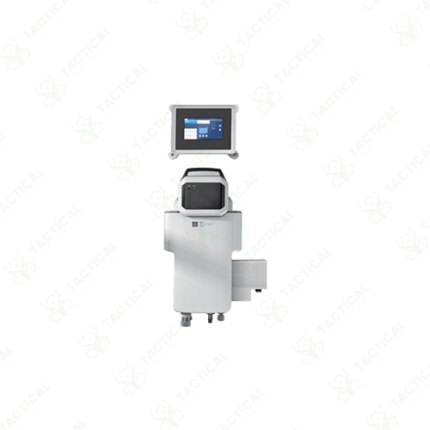
Turbidity
Turbidity measuring instruments quantify the cloudiness or haziness of water and liquid samples caused by suspended particles, colloids, and microorganisms that scatter light passing through the sample. Water quality monitoring teams, industrial process control engineers, municipal water treatment operators, and environmental inspection agencies across Pakistan use turbidity measurement to assess drinking water clarity, wastewater treatment effectiveness, and surface water contamination levels across rivers, reservoirs, and treatment plant effluent streams.
Turbidity measurement uses the nephelometric method as the international standard. A light source directs a beam through the sample. Suspended particles scatter the light in multiple directions. A photodetector positioned at 90 degrees to the incident beam measures the intensity of scattered light. Higher particle concentration produces stronger scatter and higher turbidity readings. Results express in nephelometric turbidity units. Additionally, formazin turbidity standards establish the calibration reference across all nephelometric instruments, providing a chemically reproducible reference suspension for instrument calibration verification before measurement sessions.
Measurement range on standard turbidity meters covers 0 to 1000 NTU for general water quality applications. High-range instruments extend to 4000 NTU for wastewater and industrial process monitoring. WHO drinking water guidelines set a turbidity threshold of 1 NTU for treated water supplied to consumers. Pakistan’s NEQS drinking water standards reference similar threshold values for treated water quality compliance. Furthermore, online continuous turbidity monitors install directly in pipeline or tank wall positions, measuring turbidity in real time without manual sample collection. These transmit 4-20mA or Modbus output signals to water treatment SCADA systems for automated process control response when turbidity rises above set alarm thresholds.
Portable handheld turbidity meters suit field water quality surveys at sampling points across river monitoring networks and water supply distribution systems. Sample cell design uses sealed glass or plastic cuvettes for laboratory bench instruments. Moreover, in-line submersible probes suit continuous monitoring in open channels, reservoirs, and treatment tanks without requiring sample extraction from the process stream during measurement.
Tactical Supply Pakistan supplies turbidity meters, online monitors, and calibration standards to municipal water treatment authorities, environmental monitoring agencies, industrial process control teams, and water quality inspection programs requiring accurate turbidity measurement capability across water quality assessment and treatment process control applications throughout Pakistan.
Showing the single result