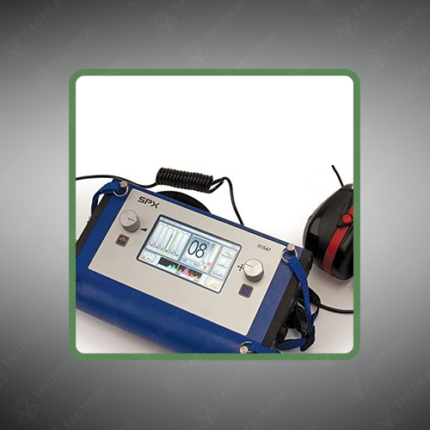
Tracer Gas Leak Detection
Tracer gas leak detection uses a detectable gas injected into a pressurized system to locate escape points through the system boundary by detecting the tracer gas concentration above background level at the leak site. Pipeline maintenance teams, gas utility operators, district heating network managers, and industrial plant maintenance crews across Pakistan use tracer gas methods to find leaks in buried pipes, sealed systems, and pressurized vessels where acoustic and pressure drop methods cannot pinpoint the exact leak location.
The most widely used tracer gas is a mixture of 5% hydrogen and 95% nitrogen by volume. This mixture is non-flammable, non-toxic, and lighter than air, making it safe for use in enclosed spaces and on buried pipeline systems without hazardous gas accumulation risk during the detection procedure. The mixture pressurizes the target pipe or vessel through a connection point. Gas escapes through any defect in the system boundary and migrates through the surrounding soil or structural material toward the surface. A handheld hydrogen detector probe at the surface then detects the escaped tracer gas above the background atmospheric hydrogen concentration of approximately 0.5 parts per million. Additionally, detection sensitivity on quality hydrogen tracer gas detectors reaches 1 part per million above background, locating pinhole defects and micro-cracks that produce leak rates too small for pressure drop testing to identify within a practical test duration.
Survey technique requires the operator to move the detector probe slowly along the surface above the suspected leak route at a height between 10mm and 50mm above the ground or pipe surface. Signal strength peaks directly above the leak point. The operator marks the location before excavation for repair. Furthermore, tracer gas methods locate leaks in district heating pipes, water mains, compressed air systems, refrigerant circuits, and industrial process pipelines equally well, as the detection relies on hydrogen migration rather than the acoustic signature of the escaping process fluid.
Detection response time on current hydrogen tracer gas instruments runs below 1 second from gas contact to alarm output. Operating temperature range covers -10°C to +50°C on field-grade detector models. Moreover, sensor calibration uses certified hydrogen-in-nitrogen calibration gas mixtures to verify detector response before each survey session, ensuring measurement reliability across the full working shift at utility and industrial inspection sites throughout Pakistan.
Tactical Supply Pakistan supplies tracer gas leak detection equipment to gas utility maintenance teams, water utility leak survey operators, industrial plant maintenance contractors, and pipeline integrity inspection services requiring pinpoint buried leak location capability across pressurized system leak detection applications throughout Pakistan.
Showing the single result