Total Containment Vessel (TCV)
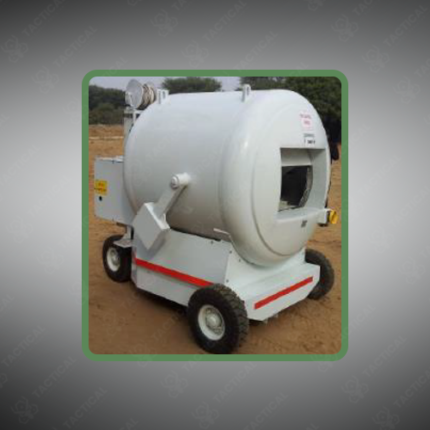
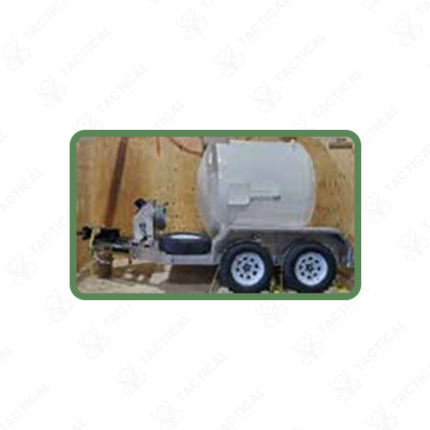
Total containment vessels are hardened steel or composite enclosures designed to contain the blast, fragmentation, and pressure wave from an explosive device detonated inside the vessel, protecting surrounding personnel and infrastructure from the effects of a controlled or accidental detonation. Bomb disposal units, explosive ordnance disposal teams, military demining formations, and explosive storage facility operators across Pakistan use total containment vessels to safely transport, store, and render safe suspected explosive devices without exposing personnel to fragmentation and blast overpressure risk during handling operations.
The vessel shell uses high-strength steel alloy in wall thicknesses between 25mm and 75mm depending on the rated explosive charge capacity of the specific vessel model. Internal geometry uses a spherical or cylindrical configuration to distribute detonation pressure evenly across the vessel wall surface, preventing localized stress concentration points that cause premature wall failure at lower charge weights. A single detonation event inside the vessel subjects the wall to peak internal pressures between 10,000 and 100,000 bar for microsecond durations. The vessel wall absorbs this energy through plastic deformation and contains all fragmentation within the internal volume. Additionally, internal liner materials including polyurea coatings and rubber composite layers bond to the inner wall surface, capturing secondary fragmentation and preventing spall fragments from the vessel wall itself from adding to the internal fragmentation hazard during the detonation event.
Rated explosive equivalence on total containment vessels runs from 0.5 kg TNT equivalent on small portable vessel models up to 25 kg TNT equivalent on large facility-grade vessels. Portable vessel models weigh between 50 and 200 kilograms, with integrated lifting handles, trolley wheel assemblies, and crane lifting lugs for movement by small teams and vehicle transport to incident sites. Furthermore, access hatch designs use multi-point locking mechanisms with pressure relief venting systems that allow detonation gases to escape at controlled rates after the initial containment phase, reducing post-detonation vessel internal pressure before personnel approach for inspection.
Remote opening systems allow the vessel hatch to open from a distance after a confirmed detonation event, keeping personnel away from the vessel until internal pressure and temperature return to safe levels. Moreover, reusability ratings on quality total containment vessels specify the number of rated-capacity detonation events the vessel withstands before requiring structural inspection and recertification for continued operational use.
Tactical Supply Pakistan supplies total containment vessels to bomb disposal units, explosive ordnance disposal formations, military demining teams, and explosive storage facility safety managers requiring certified blast containment capability across explosive handling and render-safe operations throughout Pakistan.
Showing the single result