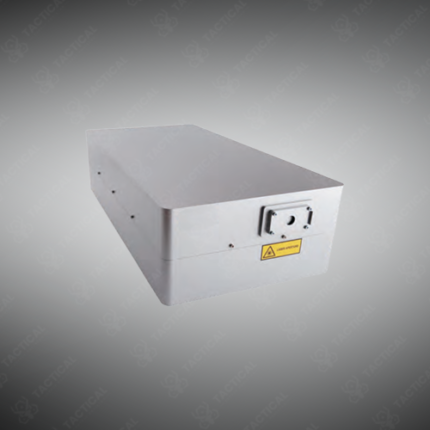
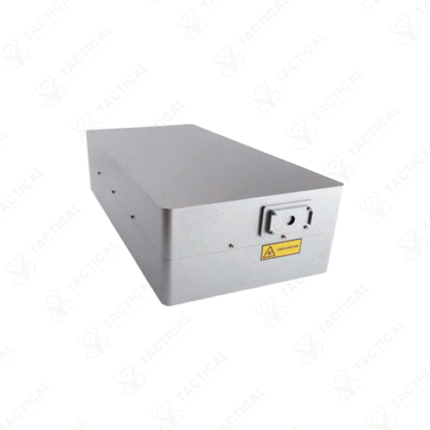
Sapphire Lasers
Sapphire lasers use a titanium-doped sapphire crystal as the core component generating the beam, known for producing a wide, tunable wavelength range roughly between 650 and 1100nm. This tuning range lets one laser system serve multiple applications without swapping the gain medium, unlike fixed-wavelength lasers limited to a single output. Pump sources are usually diode lasers or frequency-doubled solid-state lasers, feeding energy into the sapphire crystal to sustain the beam during operation.
Output modes vary by system. Continuous-wave versions produce a steady beam for tasks needing constant output, while mode-locked versions generate ultra-short pulses down to femtosecond duration for applications needing minimal heat transfer into surrounding material. Average power output ranges from a few hundred milliwatts on smaller research units up to several watts on larger industrial or medical systems. Cooling relies on closed-loop water systems or thermoelectric coolers, keeping the crystal at a stable temperature since output quality drops if the crystal overheats during long sessions.
Beam delivery methods include free-space optics for lab setups or fiber-coupled delivery for equipment moving the beam to a handpiece or surgical instrument. Control software manages wavelength selection, pulse timing, and power level, often through a touchscreen interface on newer systems rather than manual dial adjustment.
Research labs use sapphire lasers for spectroscopy and material science experiments needing a tunable light source across a wide range. Eye hospitals and surgical centers use mode-locked versions for corneal procedures, where short pulses limit tissue damage during cuts. Industrial facilities also use sapphire lasers for fine material processing tasks where standard fixed-wavelength lasers don’t offer enough flexibility.
Tactical Supply Pakistan supplies sapphire laser systems to research labs, eye hospitals, and industrial facilities across Pakistan. Configuration options include continuous-wave and mode-locked systems, matched to intended application during consultation.
Showing the single result