RF Signal Generators
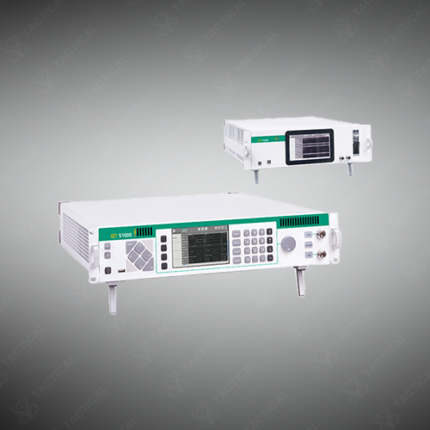
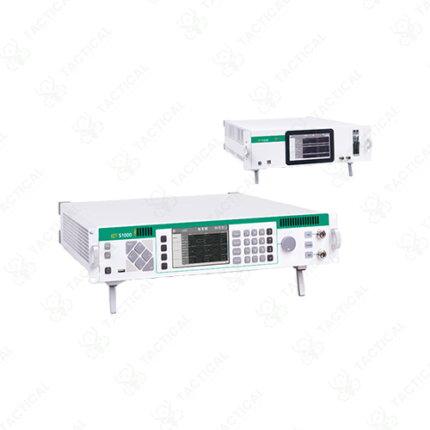
An RF signal generator produces radio frequency signals at a set frequency and power level, used to test receivers, antennas, and other RF equipment. Frequency range typically spans from 100kHz up to 6GHz or higher on advanced models, with output power adjustable from -100dBm up to +20dBm or more depending on the unit. The operator sets frequency, power, and modulation type through a touchscreen or rotary dial interface, then outputs the signal through an SMA or BNC connector for connection to the device under test.
Modulation options usually include AM, FM, and digital modes such as QAM or PSK, letting one generator simulate different signal types without needing separate equipment for each. Some models add sweep functions, stepping through a frequency range automatically to test a receiver’s response across its full operating band. Handheld and benchtop versions both exist, with handheld units weighing 1 to 2.5 kilograms and running on rechargeable battery packs for 3 to 6 hours per charge, useful for fieldwork away from a lab bench.
Telecom technicians use signal generators to test receiver sensitivity and confirm equipment performs correctly before installation at a tower site. Radar and communication equipment manufacturers use them during production testing, checking that each unit responds correctly to a known input signal before shipping. Training institutes teaching electronics and telecom courses also use signal generators for hands-on lab work, letting students see how receivers respond to controlled RF input.
Tactical Supply Pakistan supplies RF signal generators to telecom technicians, equipment manufacturers, and technical training institutes across Pakistan. Units come with connector cables, a carry case for field use, and calibration documentation for equipment requiring traceable test records.
Showing the single result