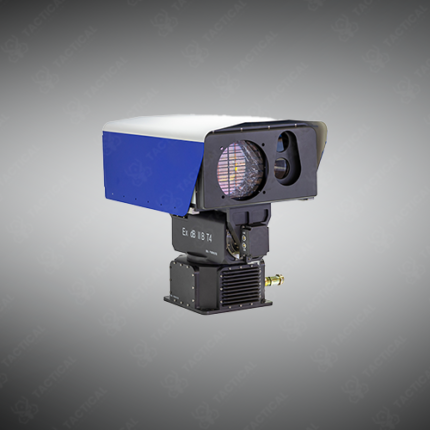
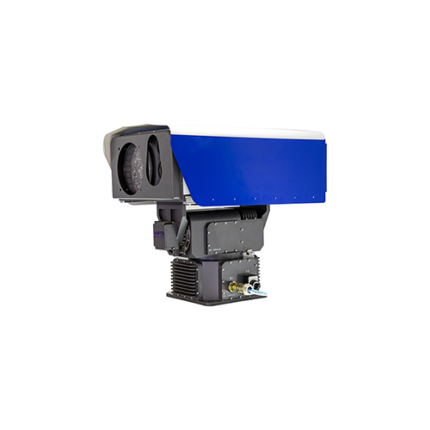
Passive Airborne FTIR Remote Detection
Passive airborne Fourier transform infrared remote detection systems identify and characterize chemical compounds in the atmosphere by analyzing infrared radiation naturally emitted or reflected by gas plumes against a background thermal contrast, without projecting any active illumination source toward the target area. This passive detection approach allows aircraft or UAV-mounted systems to survey large ground areas for chemical threats, industrial gas leaks, and hazardous material releases from standoff distances without alerting ground-level sources to the presence of the detection asset overhead.
The core instrument uses a Fourier transform infrared spectrometer with a cooled detector array, typically using mercury cadmium telluride or indium antimonide photodetectors operating in the 3 to 12 micron mid-wave and long-wave infrared spectral range. Spectral resolution runs between 0.5 and 4 wavenumbers per centimeter depending on mirror travel distance in the interferometer, with higher resolution configurations improving discrimination between chemically similar compounds at low concentration levels. Additionally, the system captures a full infrared spectrum for each spatial pixel in the scene simultaneously, allowing post-processing software to map gas concentration distribution across the surveyed area rather than producing a single-point measurement.
Detection sensitivity for chemical warfare agent simulants and toxic industrial chemicals typically reaches parts per billion concentrations at standoff ranges between 500 meters and 5 kilometers depending on atmospheric conditions and target compound infrared absorption strength. Furthermore, onboard spectral library matching algorithms compare captured spectra against reference databases covering hundreds of chemical compounds in real time, flagging detections with compound identity and estimated column density within seconds of acquisition.
Data output includes georeferenced chemical concentration maps, spectral identification reports, and raw interferogram files for offline reanalysis. Moreover, gimbal-stabilized sensor heads maintain pointing accuracy during aircraft motion, with stabilization systems compensating for vibration and attitude changes at rates up to 50 Hz.
Tactical Supply Pakistan supplies passive airborne Fourier transform infrared remote detection systems to national defense agencies, environmental monitoring authorities, and counter-chemical threat units requiring wide-area airborne chemical surveillance capability across Pakistan’s strategic and industrial zones.
Showing the single result