OXYGEN LANCE CUTTING
Oxygen Lance Cutting is a thermal cutting process that uses a steel pipe or tube, called the lance, through which a high-pressure stream of pure oxygen flows to create an intense exothermic oxidation reaction when the lance tip contacts ignited steel, generating sufficient heat to cut through extremely thick steel sections, reinforced concrete, and other refractory materials that conventional oxy-acetylene or plasma cutting equipment cannot penetrate. Demolition contractors and steel processing facilities select oxygen lance cutting because the technique addresses material thicknesses and compositions that other thermal cutting methods reach their practical limits against, making it the tool of choice for heavy industrial cutting tasks beyond the capability range of standard cutting equipment. Therefore, the lance cutting process directly extends practical thermal cutting capability into applications where no other common cutting method provides a viable alternative.
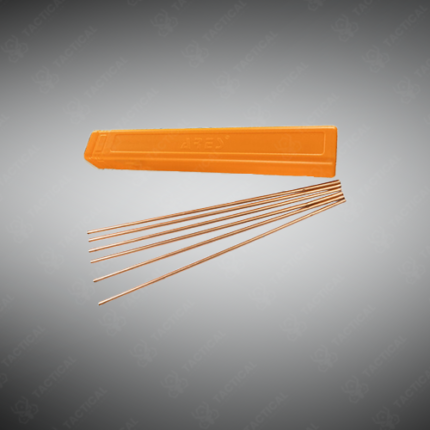
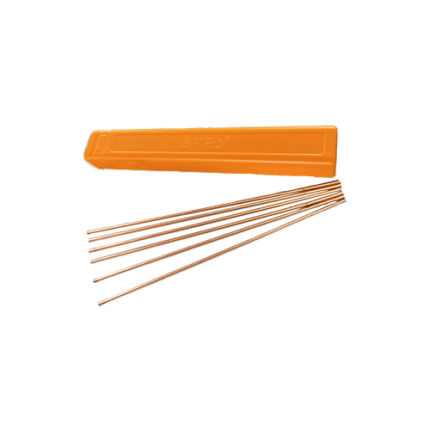
The lance itself consists of a mild steel pipe, typically 3 to 6 meters long and 12 to 25 millimeters in outer diameter, packed with steel wire bundles or a combination of steel and aluminum rods that increase the heat output of the oxidation reaction at the cutting tip. Furthermore, the packed rod configuration within the pipe creates a more intense and sustained exothermic reaction than an unpacked steel pipe alone would produce, maintaining the extreme temperatures required for cutting hard and refractory materials throughout the cutting stroke.
Operating oxygen pressure at the lance inlet typically ranges from 4 to 7 bar, with flow rates generating tip temperatures exceeding 4,000°C at the point of contact with the workpiece. Consequently, this temperature exceeds the melting point of virtually all common engineering materials, enabling cutting through steel sections exceeding 1 meter thickness, reinforced concrete walls, and even granite or basalt rock in mining and demolition applications.
Ignition at the lance tip requires an external heat source, typically an oxy-acetylene flame or electric arc, to initiate the oxidation reaction before the self-sustaining exothermic process maintains the required cutting temperature independently.
Safety precautions include appropriate face shields, leather protective clothing, and fire watch procedures, since the process produces intense heat, sparks, and molten slag projection over considerable distances from the cutting point.
Showing the single result