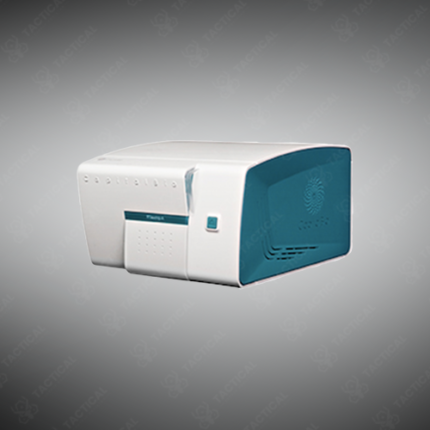
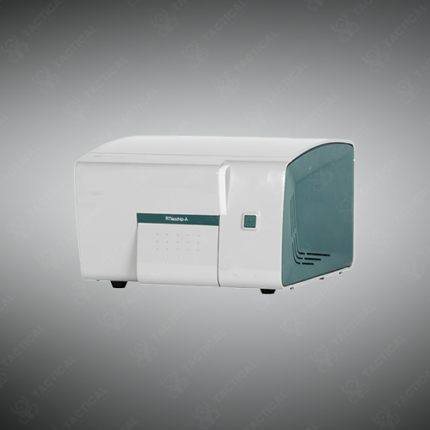
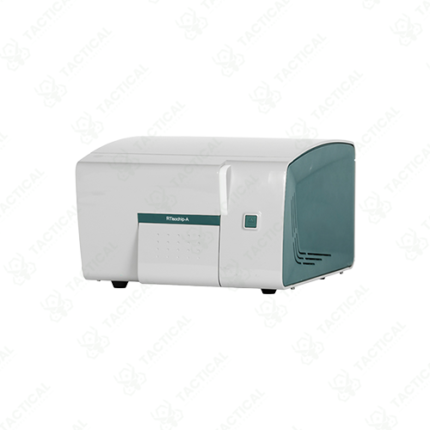
Nucleic Acid Amplification Tests in Digital Microfluidics
Nucleic Acid Amplification Tests in Digital Microfluidics combine the molecular sensitivity of PCR and isothermal amplification chemistry with the precise, programmable fluid manipulation capability of digital microfluidic platforms, enabling automated DNA and RNA testing within miniaturized chip-based systems that individually control nanoliter to microliter droplets through electrowetting-on-dielectric (EWOD) principles. Diagnostic developers and point-of-care testing programs adopt digital microfluidic nucleic acid testing because the programmable droplet manipulation approach automates complex multi-step amplification workflows without the fixed channel geometries of conventional microfluidic devices, offering greater protocol flexibility within the same miniaturized format. Therefore, digital microfluidic integration directly enables more adaptable automated molecular testing than passive-flow chip designs can achieve.
The electrowetting-on-dielectric mechanism moves individual droplets across an array of electrodes embedded within the chip surface by applying voltage sequences that alter the contact angle and surface energy of the droplet at adjacent electrode positions, propelling the droplet precisely from one location to another without requiring external pumps or valves. Furthermore, this electrode-driven droplet manipulation handles all liquid transfer, mixing, splitting, and dispensing steps required across the complete nucleic acid amplification workflow, from sample loading through extraction, amplification, and detection, within a single automated sequence.
On-chip thermal zones maintain the temperature conditions required for nucleic acid extraction, amplification cycling, and signal detection, with thin-film heater elements and temperature sensors integrated directly beneath the chip electrode array providing localized, rapid temperature control. Consequently, thermal cycling for PCR applications occurs within the chip itself rather than requiring sample transfer to an external thermal cycler, reducing both testing time and contamination risk associated with open-tube sample handling.
Fluorescence detection integrated into digital microfluidic platforms monitors amplification progress in real time by measuring the fluorescent signal from labeled amplification products accumulating within designated detection droplets on the chip surface. Additionally, multiplexed detection capability allows simultaneous testing for multiple nucleic acid targets within a single droplet array run, supporting panel-based infectious disease testing on the same sample.
In Pakistan, nucleic acid amplification testing using digital microfluidics serves point-of-care diagnostic development, infectious disease surveillance programs, and university bioengineering research programs developing next-generation automated testing platforms. Tactical Supply Pakistan supplies Digital Microfluidic Nucleic Acid Amplification Testing systems for diagnostic and research procurement across Pakistan.
Showing all 2 resultsSorted by latest