Next-Generation High-Throughput Sequencing
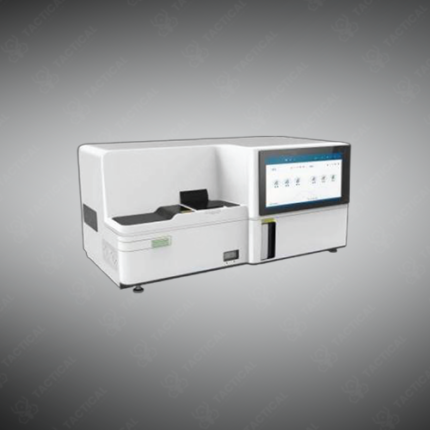
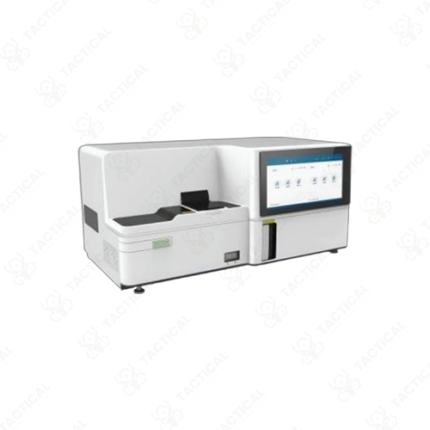
Next-Generation High-Throughput Sequencing refers to the current generation of massively parallel DNA and RNA sequencing platforms capable of determining the nucleotide sequence of millions to billions of fragments simultaneously within a single instrument run, representing substantial advances in speed, cost reduction, and data output compared to earlier sequencing technology generations. Genomics researchers and clinical laboratories adopt current-generation sequencing platforms because continuous technological improvement has progressively reduced per-sample sequencing cost while simultaneously increasing data output and accuracy. Therefore, staying current with sequencing technology generations directly affects both research capability and the cost-effectiveness of large-scale genomic studies.
Current short-read platforms achieve read lengths up to 300 base pairs with per-base error rates below 0.1 percent, using sequencing by synthesis chemistry with fluorescently labeled reversible terminator nucleotides imaged after each incorporation cycle. Furthermore, output capacity on the largest current instruments reaches several terabases per run, processing thousands of samples simultaneously through multiplexed library preparation and sequencing protocols.
Long-read sequencing technology has matured substantially in recent years, with current nanopore and single-molecule real-time platforms generating reads exceeding 1,000,000 base pairs in some configurations, resolving genomic structures including repetitive regions and structural variants that short-read technology cannot assemble accurately. Consequently, many genomics applications now combine short-read and long-read sequencing approaches, leveraging the complementary strengths each technology generation provides.
Sample preparation workflows have simplified considerably in current sequencing generations, with reduced input DNA requirements, faster library preparation protocols, and improved automation compatibility reducing the technical expertise and hands-on time required compared to earlier sequencing generations. Additionally, bioinformatics software accompanying current sequencing platforms has improved substantially in processing speed and analytical accuracy, addressing the data analysis bottleneck that once limited the practical throughput advantage modern sequencing instruments provide.
In Pakistan, next-generation high-throughput sequencing serves university genomics research programs, hospital molecular diagnostic laboratories, public health pathogen surveillance, and agricultural biotechnology crop improvement programs. Tactical Supply Pakistan supplies Next-Generation High-Throughput Sequencing instruments for genomics, clinical, and research procurement across Pakistan.
Showing the single result