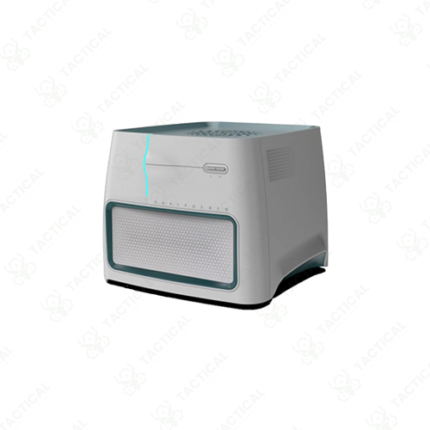
Microfluidic Systems for Rapid Nucleic Acid Analysis
Description:
Microfluidic Systems for Rapid Nucleic Acid Analysis integrate sample preparation, amplification, and detection functions onto compact chip-based platforms, delivering complete DNA and RNA analysis results substantially faster than conventional laboratory workflows requiring separate instruments for each processing step. Diagnostic developers and infectious disease testing programs choose integrated microfluidic systems because combining multiple analytical steps onto a single platform eliminates the sample transfer delays and contamination risks inherent in moving samples between separate laboratory instruments. Therefore, system integration directly reduces total time-to-result for nucleic acid testing applications requiring rapid turnaround.
Sample preparation modules within these systems extract and purify nucleic acid from raw biological samples, using magnetic bead-based capture or membrane filtration methods adapted to microfluidic channel dimensions. Furthermore, this automated extraction eliminates the manual pipetting and centrifugation steps required in conventional extraction protocols, reducing both processing time and the technical skill level required to operate the system reliably.
Amplification modules use continuous-flow PCR, droplet-based partitioning, or isothermal methods including LAMP and RPA, selected based on the required sensitivity, multiplexing capability, and power consumption constraints of the specific diagnostic application. Consequently, isothermal methods predominate in battery-powered field-deployable systems, while flow-through PCR designs serve laboratory-based rapid testing applications where mains power availability removes that constraint.
Integrated optical or electrochemical detection modules monitor amplification progress in real time, with fluorescence-based detection remaining the most common approach due to its established sensitivity and compatibility with standard amplification chemistry labeling methods. Additionally, multiplexed detection channels allow simultaneous testing for multiple target sequences within a single sample run, supporting panel-based testing for several pathogens or genetic markers concurrently.
Complete sample-to-result time on optimized integrated microfluidic systems ranges from 15 to 45 minutes, compared to several hours required for conventional laboratory-based testing workflows involving separate extraction, amplification, and detection instruments.
In Pakistan, microfluidic systems for rapid nucleic acid analysis serve infectious disease screening programs, point-of-care diagnostic deployment, and public health surveillance initiatives requiring fast turnaround testing. Tactical Supply Pakistan supplies microfluidic nucleic acid analysis systems for diagnostic and public health procurement across Pakistan.
Showing the single result