Microfluidic Methods for Nucleic Acid Amplification
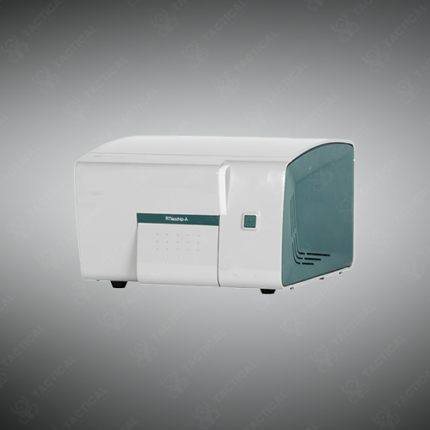
Microfluidic Methods for Nucleic Acid Amplification adapt PCR, isothermal amplification, and related DNA and RNA replication chemistries to micro-scale chip-based platforms, enabling faster reaction times and reduced reagent consumption compared to conventional benchtop thermal cyclers. Diagnostic device developers and molecular biology researchers select microfluidic amplification approaches because the reduced thermal mass and integrated channel design allow significantly faster cycling and lower per-sample cost than standard laboratory equipment. Therefore, microfluidic nucleic acid amplification methods support the rapid, portable diagnostic applications that conventional PCR instrumentation cannot address effectively.
Continuous-flow PCR methods move the sample fluid through spatially fixed temperature zones arranged along a serpentine or straight channel path, rather than cycling the temperature of a stationary sample as conventional thermal cyclers do. Furthermore, this approach decouples cycling speed from the thermal mass limitations that constrain conventional instruments, since the sample simply flows faster or slower through pre-established hot and cold zones to control reaction timing. Consequently, continuous-flow designs achieve complete amplification protocols in a fraction of the time required by standard benchtop thermal cycling.
Droplet-based microfluidic amplification partitions the sample into thousands of discrete nanoliter droplets before amplification, with each droplet functioning as an independent reaction vessel. Additionally, this partitioning approach enables digital PCR applications, providing absolute quantification of target sequences through Poisson statistical analysis of positive versus negative droplet counts after amplification completes.
Isothermal amplification methods, including loop-mediated isothermal amplification (LAMP) and recombinase polymerase amplification (RPA), eliminate thermal cycling entirely by operating at a single constant temperature. Moreover, this simplification reduces the heating and cooling infrastructure required within the microfluidic chip, supporting battery-powered, field-deployable diagnostic device designs that thermal cycling methods cannot achieve as readily.
Chip-integrated detection, typically fluorescence-based, monitors amplification progress in real time without requiring sample removal from the microfluidic platform for separate analysis.
In Pakistan, microfluidic nucleic acid amplification methods serve point-of-care diagnostic development, infectious disease surveillance programs, and university molecular biology research departments. Tactical Supply Pakistan supplies microfluidic amplification platforms for diagnostic and research laboratory procurement across Pakistan.
Showing the single result