Microfluidic Analysis
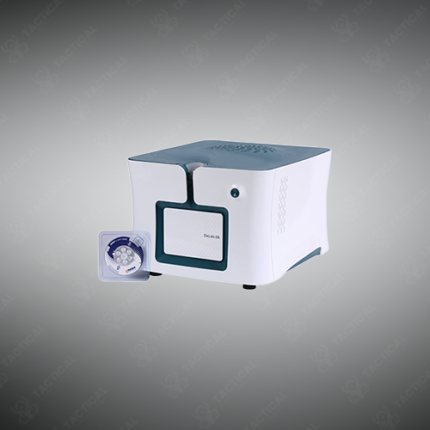
Microfluidic Analysis applies micro-scale fluid handling technology to perform chemical and biological measurement tasks, including separation, detection, and quantification, within compact chip-based platforms that process small sample and reagent volumes. Analytical chemists and diagnostic developers choose microfluidic analysis methods because the reduced scale enables faster analysis times, lower reagent costs, and the potential for integrating multiple analytical steps onto a single disposable chip. Therefore, microfluidic analysis platforms increasingly replace conventional benchtop analytical instruments for applications where portability and reduced sample consumption matter.
Separation techniques adapted to microfluidic format include capillary electrophoresis, which separates charged molecules based on their migration speed through a buffer-filled channel under an applied electric field, and chromatographic separation using packed micro-columns integrated within the chip structure. Furthermore, these separation methods achieve comparable or superior resolution to conventional benchtop equivalents while consuming sample volumes a hundred-fold smaller, conserving precious or limited sample material during analysis.
Detection methods integrated into microfluidic analysis chips include optical detection using fluorescence or absorbance measurement through transparent channel windows, electrochemical detection using embedded microelectrodes that measure current or voltage changes from analyte reactions, and mass spectrometry interfaces that couple microfluidic separation directly to external mass spectrometer instruments. Consequently, detection method selection depends on the target analyte’s chemical properties and the required sensitivity for the specific analytical task.
Lab-on-a-chip designs integrate sample preparation, separation, and detection functions onto a single microfluidic platform, automating what would otherwise require multiple separate laboratory instruments and manual sample transfer steps between them. Additionally, multiplexed channel designs allow simultaneous analysis of multiple samples or multiple analytes from a single sample on one chip, increasing analytical throughput significantly.
In Pakistan, microfluidic analysis platforms serve pharmaceutical quality control laboratories, environmental monitoring programs, clinical diagnostic developers, and university analytical chemistry research departments. Tactical Supply Pakistan supplies microfluidic analysis devices and components for pharmaceutical, diagnostic, and research laboratory procurement across Pakistan.
Showing the single result