Magneto-Optic Kerr Effect Magnetometry
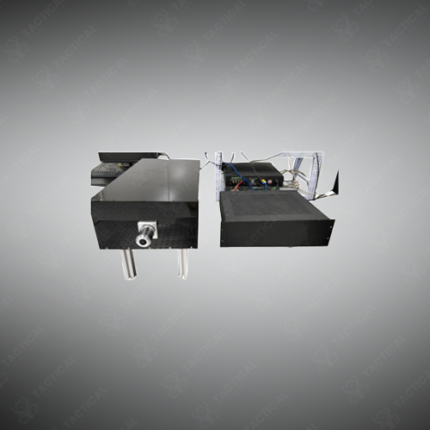
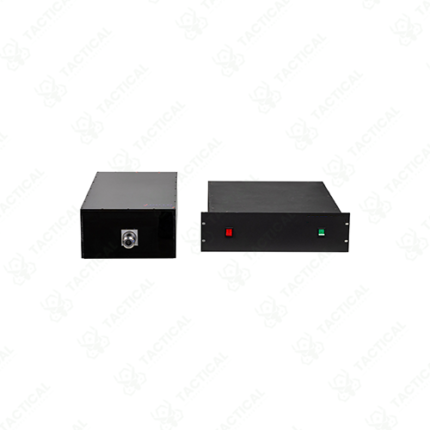
Magneto-Optic Kerr Effect Magnetometry combines Kerr effect optical detection with magnetometry measurement principles to quantify magnetic moment and field-dependent magnetic behavior in thin films and surface structures. Materials researchers favor this measurement approach because it delivers quantitative magnetic moment data using purely optical detection, avoiding the physical sample mounting constraints that conventional magnetometry techniques like vibrating sample magnetometry require. Therefore, MOKE magnetometry extends magnetic characterization capability to sample geometries and thicknesses that other magnetometry methods cannot accommodate as readily.
The technique directs a polarized laser beam onto the sample surface, measuring the small polarization rotation that occurs upon reflection from the magnetized surface. Furthermore, this rotation angle, typically between 0.01 and 1 degree, scales proportionally with the sample’s surface magnetization, allowing the measurement system to track magnetic moment changes as a function of applied field strength. Consequently, sweeping the applied magnetic field while continuously recording the Kerr rotation signal produces a complete hysteresis loop characterizing the sample’s magnetic switching behavior.
Three measurement geometries provide sensitivity to different magnetization orientations. Polar geometry detects out-of-plane magnetization components with the strongest typical signal response, while longitudinal and transverse geometries detect different in-plane magnetization directions depending on sample orientation relative to the incident light plane. Additionally, researchers select measurement geometry based on the expected magnetic anisotropy axis within their specific sample system.
Lock-in amplification and signal averaging techniques extract weak Kerr rotation signals from materials exhibiting low magneto-optic response, extending measurement sensitivity to thinner films and more weakly magnetic material systems. Moreover, applied field coils integrated into the sample stage allow precise control over field sweep rate and maximum field amplitude during hysteresis loop acquisition.
In Pakistan, MOKE magnetometry serves university physics and materials science research departments, thin film magnetic storage research programs, and defense research institutions characterizing magnetic sensor and shielding materials. Tactical Supply Pakistan supplies Magneto-Optic Kerr Effect Magnetometry systems for materials research and academic laboratory procurement across Pakistan.
Showing the single result