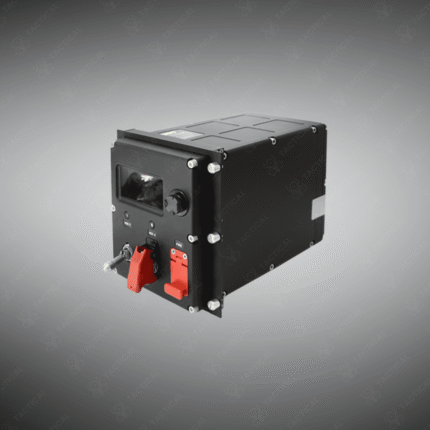
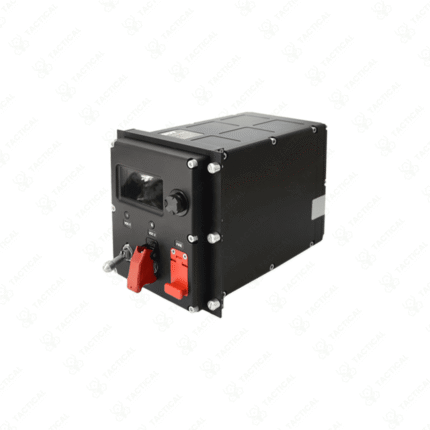
Launcher Remote Control System
-
Purpose & Modes — Enables remote activation, aiming/cueing and status monitoring of a launcher (single‑shot or multi‑round). Typical modes: local/manual override, remote operator control, and supervised automated sequences for safe engagement workflows.
-
Secure Communications — Uses encrypted, authenticated links (frequency‑hopping, AES‑class crypto) with anti‑spoof and anti‑replay protections. Redundant comms (primary + backup) and RF hardening/anti‑jamming measures are standard for tactical deployments.
-
Safety & Interlocks — Multiple independent safety layers: hardware dead‑man, dual‑operator authorization, mechanical safeties, software permission gating, and sensor‑based environmental/target verification to prevent inadvertent or unauthorized firing.
-
C2 Integration & Interfaces — Provides standard interfaces (Ethernet/API, MIL‑STD/ARINC/serial, common track formats) to connect with command‑and‑control, radar/EO sensors and situational awareness systems for cueing and logging.
-
Ruggedisation & Power — Built to MIL/RTCA environmental specs (shock, vibration, EMI, wide temperature range, IP sealing). Power options include vehicle power, field batteries, and graceful shutdown/backup power for safe state preservation.
-
Compliance, Training & Auditability — Must meet legal/export/regulatory controls and operator certification requirements. Comprehensive logging, tamper‑evident audit trails, and operator training/certification programs are essential for safe, lawful operation and post‑event accountability.
Showing the single result