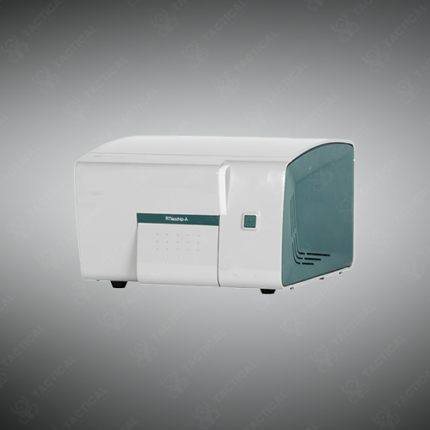
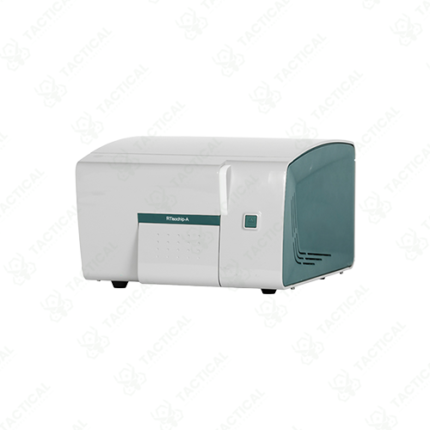
Isothermal Amplification of Nucleic Acids
Isothermal amplification of nucleic acids is a molecular biology technique that replicates specific DNA or RNA sequences at a constant temperature without requiring the thermal cycling process used in standard polymerase chain reaction (PCR). Traditional PCR alternates between three temperature stages to denature, anneal, and extend nucleic acid strands, demanding a thermal cycler instrument that adds cost, complexity, and processing time to diagnostic workflows.
Loop-mediated isothermal amplification (LAMP) is the most widely deployed isothermal technique, using four to six primers targeting six to eight distinct regions of the target nucleic acid sequence and a strand-displacing polymerase enzyme to achieve highly specific amplification within 15 to 60 minutes at 60°C to 65°C.
In Pakistan, isothermal nucleic acid amplification supports infectious disease diagnosis in field and rural healthcare settings without laboratory infrastructure, biosurveillance programs monitoring pathogen emergence, forensic DNA analysis in field conditions, food safety testing for bacterial contamination, and military medical units requiring rapid pathogen identification during operational deployments.
Tactical Supply Pakistan supplies isothermal nucleic acid amplification instruments and reagent systems for field diagnostics, biosurveillance, forensic, and military medical applications across Pakistan.
Showing the single result