Forensic Tents
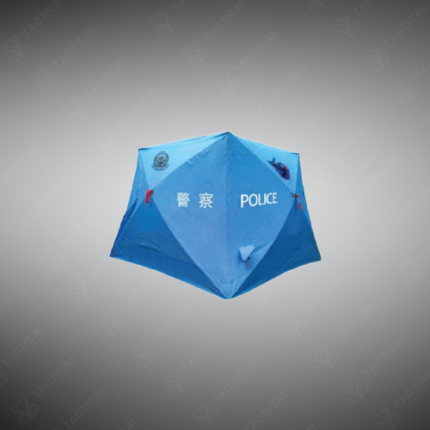
Forensic Tents are protective enclosure structures deployed over crime scenes, evidence areas, and incident sites to shield physical evidence from environmental contamination, weather exposure, and unauthorized access during forensic examination and evidence collection operations. By creating a controlled space over the evidence area, forensic tents allow investigators to work methodically without time pressure from deteriorating conditions, maintaining evidence integrity from initial scene assessment through to final collection and documentation.
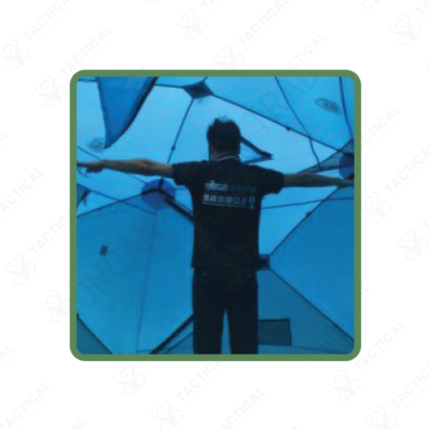
The tent structure is constructed from lightweight aluminum or fiberglass pole sets with a fabric canopy in polyethylene, nylon, or PVC-coated polyester rated for rain, wind, and UV exposure. Full coverage canopy designs enclose the sides and top of the protected area, while open-sided frame configurations provide overhead weather protection while maintaining ventilation and lateral access for multiple investigators working simultaneously. Floor dimensions range from 2m x 2m single-evidence-area units to 6m x 9m or larger incident site enclosures accommodating full forensic teams with equipment laid out within the protected zone.
Anti-contamination fabric coatings on forensic tent interiors use non-shedding materials that minimize fiber and particulate transfer onto the protected surface — a critical requirement when the enclosed area contains trace evidence including fibers, glass fragments, gunshot residue, and biological deposits. Ground contact perimeter seals prevent wind-driven contamination ingress at the base of the tent wall.
Transparent side panels on certain forensic tent configurations allow natural light penetration for photographic documentation without requiring supplementary lighting during daytime examinations. Integrated cable entry ports accommodate forensic lighting leads, power cables, and equipment umbilicals without requiring tent opening.
Modular section designs allow multiple tent units to be connected end-to-end, extending covered area coverage along linear evidence zones such as vehicle collision scenes, body disposal routes, and extended perimeter breach areas.
In Pakistan, forensic tents are used by Federal Investigation Agency (FIA) crime scene units, Counter Terrorism Department (CTD) investigation teams, provincial police forensic departments, traffic accident investigation units, and disaster victim identification (DVI) operations.
Tactical Supply Pakistan supplies forensic tents across single-area and large-site configurations for law enforcement, forensic, and incident investigation procurement across Pakistan.
Showing the single result