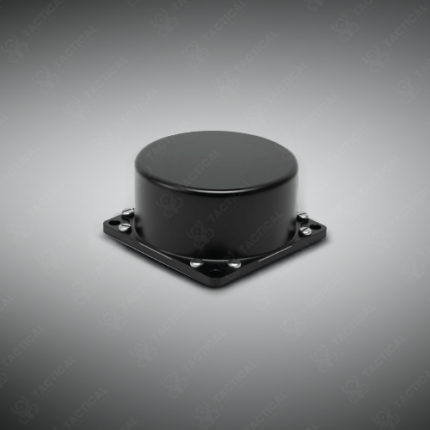
Fiber Optic Gyroscope (FOG)
A fiber optic gyroscope (FOG) is a precision navigation instrument measuring angular rotation rate through detection of Sagnac effect-induced phase shift in light propagating through coiled optical fibre enabling accurate heading determination and inertial navigation. The fibre optic approach provides superior performance compared to mechanical gyroscopes.
The FOG architecture employs laser light source injected into coiled optical fibre (typically 500–1000 metre length). Light propagates bidirectionally through fibre detecting phase differences arising from rotation. Detector measures phase shift proportional to rotation rate. Signal processing converts optical measurement into angular velocity enabling integration computing heading change.
Operational specifications include angular measurement bias typically <0.5 degrees per hour enabling precise long-duration heading retention, angle random walk typically <1 degree per hour enabling attitude stability during manoeuvres, and measurement range spanning ±500 degrees per second accommodating extreme rotation rates. High measurement rate (typically 100–1000 Hz) enables real-time attitude control.
Deployment applications include aircraft inertial measurement systems providing dead-reckoning navigation during GPS denial, marine vessel stabilisation maintaining platform attitude during wave motion, and military missile guidance providing precise targeting information. Superior performance compared to mechanical alternatives enables extended operational life.
Environmental operation across -40°C to +85°C temperature ranges supports deployment across diverse settings. Rugged construction enables operation across mechanical stress and vibration typical of vehicle platforms.
In Pakistan, fiber optic gyroscopes support military navigation and platform stabilisation.
Tactical Supply Pakistan supplies fiber optic gyroscope systems for precision navigation and inertial measurement applications.
Showing the single result