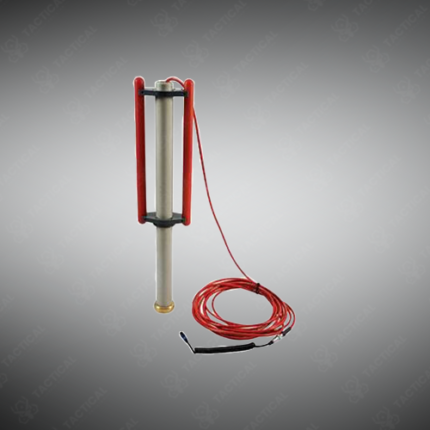
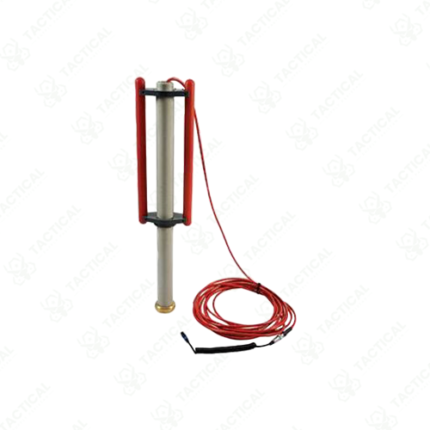
Double Depth Antenna
A double depth antenna is a directional antenna configuration employing two spatially-separated antenna elements optimised for improved bearing resolution in direction-finding operations. The double-depth design addresses bearing ambiguity limitations of single-element directional antennas enabling unambiguous transmitter location determination.
Double depth antenna architecture employs two identical directional antenna elements positioned at precise spacing (typically 0.5–2 metres depending on operating frequency) enabling phase comparison between elements identifying signal arrival direction with superior resolution. Baseline antenna spacing directly determines bearing resolution — wider spacing enables finer angular discrimination. Phased array electronics measure phase differences between elements computing signal bearing.
Frequency coverage typically spans VHF (30–300MHz) through UHF (300MHz–3GHz) enabling mobile radio, cellular, and broadcast signal detection. Antenna size scales inversely with frequency — VHF antennas are larger while UHF antennas enable compact portable implementations.
Operational deployment includes signals intelligence (SIGINT) operations localising enemy transmissions, law enforcement clandestine transmitter location for illicit communications interdiction, and homeland security monitoring detecting unauthorised air-to-ground communications. Bearing ambiguity resolution enables unambiguous transmitter location determination.
Integration with GPS/GNSS enables automated triangulation through measurements from distributed receiving stations identifying transmitter location through multilateration. Real-time bearing computation enables immediate operator awareness.
In Pakistan, double depth antennas support military and law enforcement signals intelligence operations.
Tactical Supply Pakistan supplies double depth antenna systems for direction-finding and transmitter location applications.
Showing the single result