Checkpoint Systems
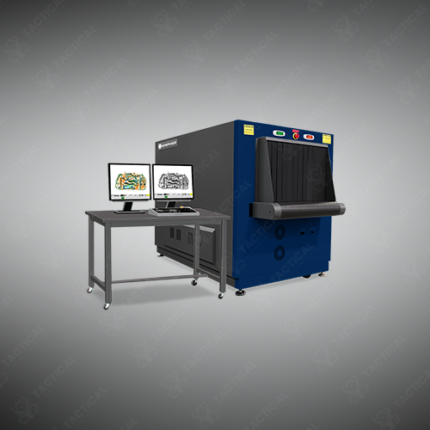
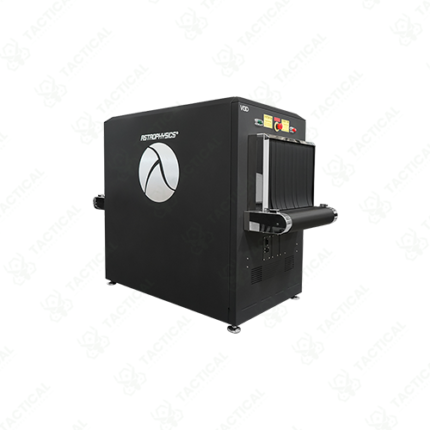
Checkpoint Systems are integrated security infrastructures that combine multiple screening and access control technologies into a coordinated platform managing the flow of people, vehicles, and goods through controlled entry and exit points. Rather than operating individual devices in isolation, a checkpoint system links X-ray baggage scanners, walk-through metal detectors, under-vehicle surveillance systems, boom barriers, biometric readers, and CCTV into a unified operational environment monitored from a central control position.
The hardware layer of a checkpoint system typically includes a dual-energy X-ray conveyor unit with a tunnel clearance of 600mm wide by 400mm high, one or more walk-through metal detection archways with 6 to 33 independently calibrated detection zones, and an under-vehicle inspection mirror or camera system for vehicle screening lanes. Access control integration connects biometric fingerprint or facial recognition terminals to electronically controlled barriers, ensuring that only cleared individuals or vehicles proceed beyond the checkpoint.
Networking across checkpoint components is managed through a local area network connecting all devices to a central monitoring station running unified security management software. Alarm events from any component trigger simultaneous alerts across the control interface, with timestamped logs maintained for audit and incident review purposes.
Power infrastructure for checkpoint systems operates on 220V AC with UPS backup across critical components, maintaining screening continuity during outages — a practical requirement across many Pakistani installation sites.
Tactical Supply Pakistan supplies complete checkpoint systems and individual components for professional security infrastructure projects nationwide.
Showing the single result