Checkpoint Machine
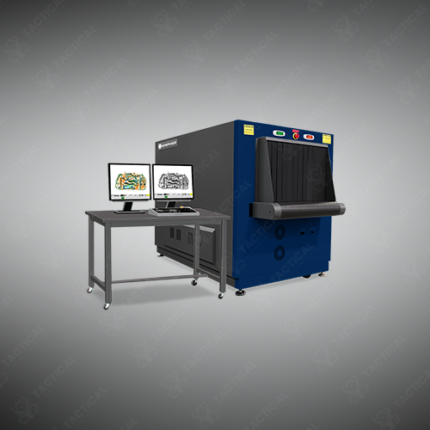
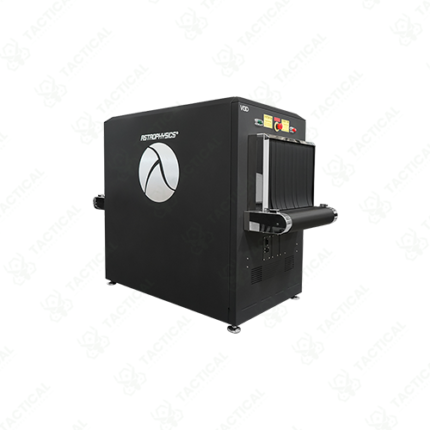
A Checkpoint Machine is a security screening device deployed at controlled entry and exit points to inspect individuals, baggage, or vehicles for concealed threats including weapons, contraband, and prohibited materials. Depending on the configuration, checkpoint machines operate through X-ray imaging, walk-through metal detection, millimeter-wave scanning, or a combination of these technologies to deliver layered threat assessment at a single screening point.
X-ray baggage inspection units pass carry-on items and parcels through a conveyor-fed tunnel where dual-energy X-ray imaging produces detailed cross-sectional images of contents. Operators view material differentiation on a high-resolution monitor — organic materials, metals, and mixed composites rendered in distinct color channels — allowing identification of concealed items without physical inspection of every bag. Tunnel dimensions on standard checkpoint units typically measure 600mm wide by 400mm high, accommodating cabin baggage and small parcels.
Walk-through metal detection panels flanking the X-ray unit screen individuals for ferrous and non-ferrous metal objects, with zone-specific detection identifying the approximate body location of a detected item. Sensitivity thresholds are adjustable to accommodate operational requirements, reducing false positives from belt buckles or minor metal components.
Integration with access control systems, CCTV, and alarm management platforms allows checkpoint machines to function as part of a broader security infrastructure rather than standalone units.
In Pakistan, checkpoint machines are deployed at airports, government buildings, courts, educational institutions, corporate headquarters, and large public venues.
Tactical Supply Pakistan supplies checkpoint machines for professional security screening applications across Pakistan.
Showing the single result