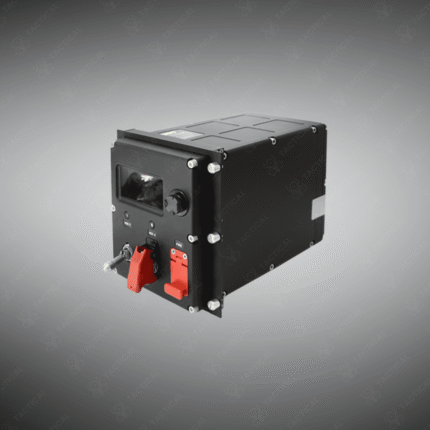
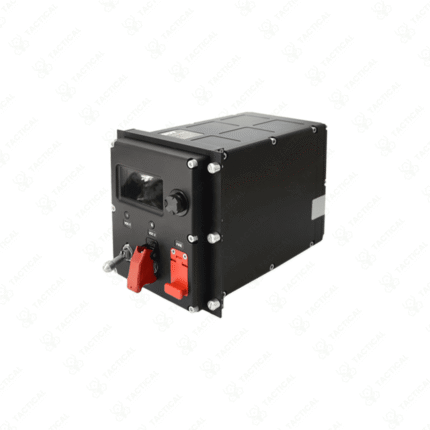
Best Launcher Remote Control System (LRCS) Online
-
Interface & integration compatibility — The LRCS must support data‐interfaces compatible with the launcher and host platform, e.g., RS-422, CAN bus, Ethernet, and provide direct control of electronic units without requiring major software retrofit.
-
Ruggedized, MIL-spec build — System should be built to military environmental standards (e.g., MIL-STD-810, MIL-STD-461) so it can tolerate shock, vibration, EMC environments and operate reliably in the field.
-
User-interface & operator ergonomics — A good LRCS includes a clear display (e.g., 128×64 OLED), joystick/toggle controls, status LEDs, and intuitive UI so the operator can manage launcher actions quickly and safely.
-
Modular architecture & future-proofing — The system should support updates, optional add-ons, and potentially multiple launcher types. This avoids replacement when platform or weapons change. For example: “communicate directly with electronic units of the launcher … without software upgrades to the mission computer”.
-
Safety & security features — The system must include user safety interlocks, encryption or protection of commands, and clear diagnostics so mis-fire or unintended launch is prevented.
-
Procurement & lifecycle support — Because such systems are high-value, ensure vendor provides documentation (brochures, specs), shipping/logistic support to your region (Pakistan), spare parts, calibration/training services, and compatibility with local export/import regulations.
Showing the single result