Semi-Confined Explosive Containment Vessel
A discreet, public-area blast mitigation system designed to contain explosive effects within everyday environments like transit hubs and high-traffic facilities.
Key Features:
✔️ Multiple Model Variants: compact to high-capacity designs (38L–150L)
✔️ ASTM E2740 & E2639 Compliant with DHS Safety Act certification
✔️ 360° Blast & Fragment Mitigation around the receptacle structure
✔️ Discreet Trash-Receptacle Design for low-visibility deployment
✔️ High-Strength Steel Construction with optional stainless-steel cladding
✔️ Wide Access Openings for realistic public-use functionality
✔️ Passive Protection System requiring no power or active operation
✔️ Optimized for Public Spaces like airports, stations, and stadiums
✔️ Heavy-Duty Base Stability preventing displacement during blast events
✔️ Scalable Deployment across multiple site layouts and threat levels
Semi-Confined Explosive Containment Vessel
The Semi-Confined Explosive Containment Vessel, the Blast Containment Receptacle (BCR) is a publicly deployable blast containment system. It comes in nine model variants from BCR X10 through BCR L5. All models meet ASTM Standards E2740 and E2639, sponsored by the U.S. Department of Homeland Security, and carry full Safety Act designation and certification. The compact BCR X10 measures 529mm and weighs 102kg with 38 liters internal volume. Meanwhile, the BCR X20 steps up to 630mm at 143kg with 76-liter capacity. Both feature painted or stainless-steel clad finishes with matching opening diameters.
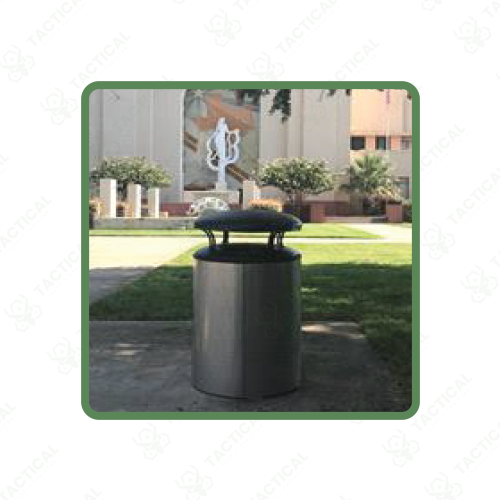
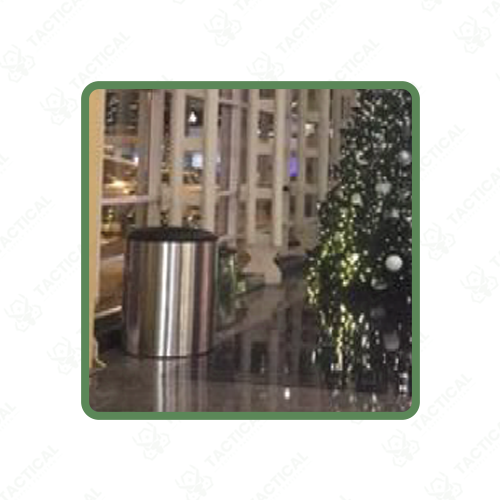
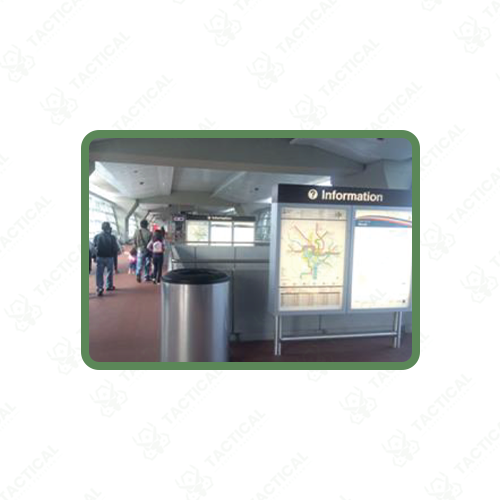
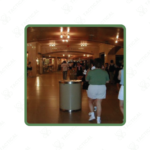
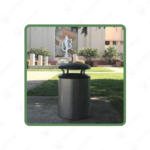
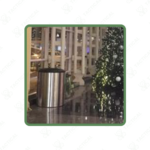
The mid-range BCR L1 through L4 models share 150-liter internal volume. Their heights range from 994mm to 1050mm, weighing between 360kg and 677kg. Additionally, opening sizes span 744mm to 790mm across these variants. The heaviest variant, BCR L5, stands 1041mm tall and weighs 930kg with a 787mm opening and stainless-steel clad finish. Furthermore, all models provide 360° blast and fragmentation containment around the receptacle perimeter. They function visually as standard public trash receptacles, concealing their protective capability entirely from public view.
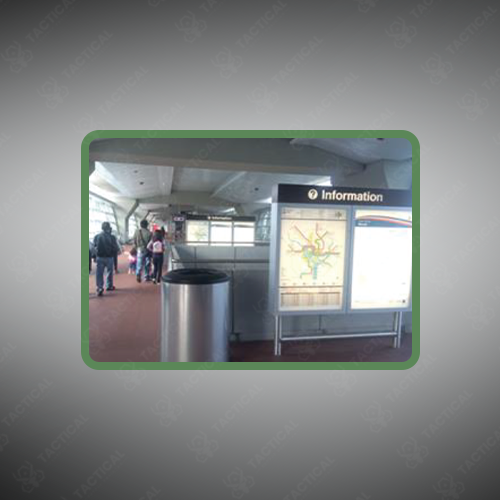
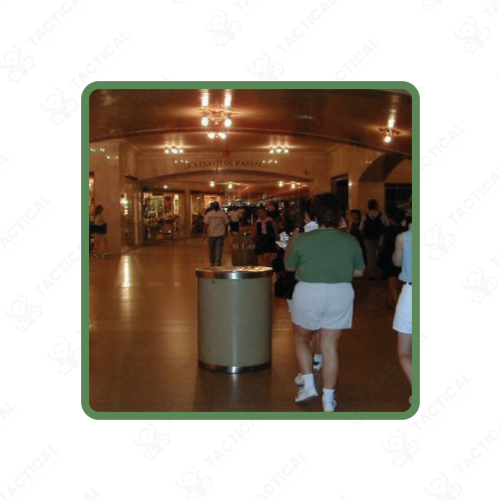
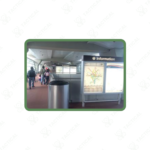
Transit authorities deploy the Semi-Confined Explosive Containment Vessel at airports, train stations, and bus terminals. These locations represent known IED placement targets through public trash receptacles. Similarly, government facilities and critical infrastructure sites install BCR units at building entrances and lobbies. Moreover, shopping mall operators and stadium security teams position units at high-traffic congregation points. This approach delivers passive blast mitigation without any visible security hardening.
For public safety agencies and facility security managers requiring DHS-certified passive blast protection, Tactical Supply Pakistan supplies BCR models across all nine variants with guidance on model selection based on internal volume requirements, site footprint constraints, and finish compatibility for specific public environment installations.
How does the BCR provide blast protection without appearing as a security installation?
The BCR is designed to replicate the visual profile of a standard public trash receptacle, allowing placement in civilian environments without alerting the public or signaling security hardening — while its internal structure absorbs and confines blast effects and fragmentation from explosive devices placed inside.
- Fast Shipping: We partner with reliable delivery services to make sure your order gets to you quickly. We work hard to ensure every package arrives safely and on time.
- Quick Processing: Your order is processed and prepared for shipping within 24 to 48 hours. This allows us to send it out to you as fast as possible after your payment is confirmed.
- Tracking: Once your order is on its way, we will provide you with a tracking number. You can use this number to easily follow your package's journey and know exactly when it will arrive.
- Nationwide Delivery: We offer delivery to all locations across Pakistan, including major cities and remote areas. No matter where you are, we can get your order to you.
At Tactical Supply Pakistan, our relationship with you doesn't end after a sale. We are dedicated to making the long-term performance and reliability of our high-quality tactical and supplied equipment. Our commitment is to provide you with seamless support and peace of mind.
- Free Installation: We'll set up your new equipment for you, so it's ready to go. You can focus on your work while our engineers handle as per the guidelines for manufacturer.
- Maintenance: We offer quick replacements where necessary, to keep your gear in top condition. Our team will make sure your equipment is always ready when you need it.
- Customer Support: We're always here to help. Our support team is available to answer your questions and assist you long after you've made a purchase.
- Planned Preventative Maintenance: Our service includes preventative maintenance to keep your equipment in peak condition and prevent future issues.
HAVE QUESTIONS?
Fill out the form, and our team will respond promptly to assist with your product inquiries or order support.