Weather Instruments
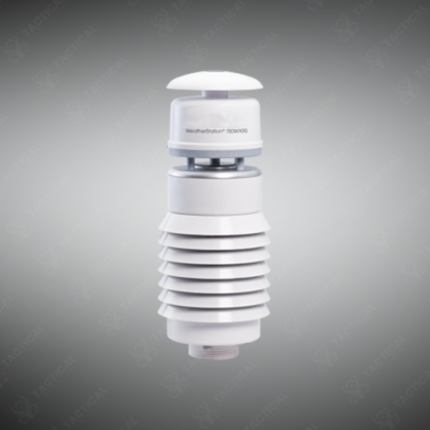
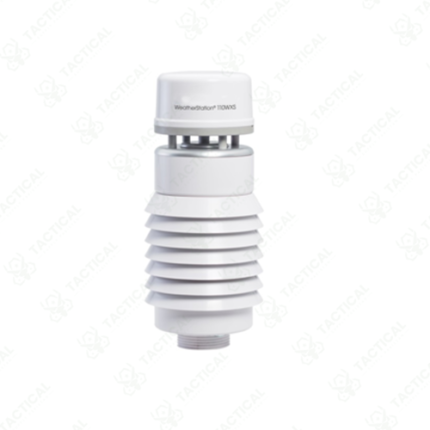
Weather instruments measure atmospheric conditions including temperature, humidity, wind speed, wind direction, barometric pressure, rainfall, and solar radiation at fixed monitoring stations and portable field positions. Military operations planners, civil aviation authorities, agricultural meteorological programs, disaster management agencies, and industrial safety teams across Pakistan use weather instruments to support decision-making across operations, agriculture, aviation, and emergency management activities.
Thermometers and temperature sensors use platinum resistance elements or thermistor probes for accurate air temperature measurement. Measurement accuracy on quality meteorological sensors runs within plus or minus 0.1°C across the full operating temperature range. Hygrometers use capacitive humidity sensors measuring relative humidity between 0 and 100% with accuracy within plus or minus 2% RH. Cup anemometers count rotations to calculate wind speed. Ultrasonic anemometers measure wind speed and direction simultaneously with no moving parts, reducing maintenance requirements at remote automatic weather stations. Additionally, tipping bucket rain gauges collect and measure rainfall in 0.1mm or 0.2mm increment tips, logging cumulative rainfall totals over defined periods for agricultural and flood risk monitoring programs.
Barometric pressure sensors use MEMS or capacitive transducers measuring pressure between 500 and 1100 hPa with resolution below 0.1 hPa. Pressure trend monitoring detects approaching weather system changes before they affect field operations. Pyranometers measure incoming solar radiation in watts per square meter for solar energy resource assessment and evapotranspiration calculation in irrigation management programs. Furthermore, automatic weather stations integrate multiple sensor types into a single mast-mounted installation with a data logger recording all parameters at intervals between 1 and 60 minutes. Data transmission uses GSM, 4G LTE, or satellite links to central meteorological data management platforms.
Portable weather station kits suit rapid deployment at military forward positions, disaster response staging areas, and field survey camps. Setup time runs under 30 minutes from carry bag to operational measurement. Moreover, solar panel power supply with battery backup maintains continuous automatic weather station operation at remote locations without mains power infrastructure across Pakistan’s agricultural, mountain, and desert monitoring network sites.
Tactical Supply Pakistan supplies weather instruments to civil aviation meteorological programs, agricultural weather monitoring networks, military operations support units, disaster management agencies, and industrial safety teams requiring accurate atmospheric measurement capability across fixed and portable weather monitoring applications throughout Pakistan.
Showing the single result