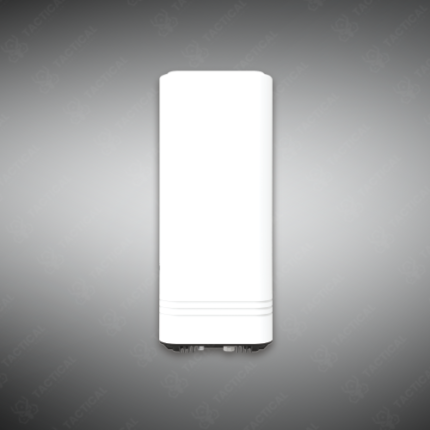
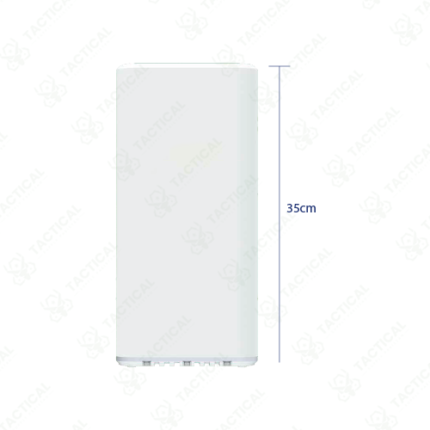
TDOA Drone Detection
TDOA drone detection is a specialized geolocation technique that combines time-difference-of-arrival measurement methodology with aerial platform positioning to rapidly and accurately determine the location of unauthorized unmanned aerial vehicles operating within restricted airspace. This detection capability enables air defense and facility protection personnel to identify drone operators and implement mitigation measures against unmanned threat platforms without requiring sustained radar coverage or extensive ground-based sensor networks.
Detection architecture uses spatially separated RF receivers monitoring communications frequency bands used by common drone control systems including 2.4 GHz and 5.8 GHz ISM bands. TDOA receivers positioned on fixed or mobile platforms measure signal arrival time differences between antennas, calculating drone transmitter location through triangulation of propagation delays. Airborne receivers on TDOA drones supplement ground receivers, providing line-of-sight detection and precise positioning of unmanned threats across extended geographic areas.
Signal processing extracts TDOA information from drone control transmissions and downlink video feeds, processing real-time position updates enabling operator tracking during active drone operations. Integration with air defense systems enables automated target handoff to counter-drone systems upon detection, supporting rapid response against identified threats.
In Pakistan, military air defense forces employ TDOA drone detection protecting strategic installations from unmanned threats. Civilian airport authorities use it for unauthorized drone detection and interdiction. Government facilities protect restricted airspace using these systems. Border security monitors cross-border drone activity.
Tactical Supply Pakistan supplies TDOA drone detection systems for military air defense, civilian airport security, facility protection, and border security applications across Pakistan.
Showing the single result