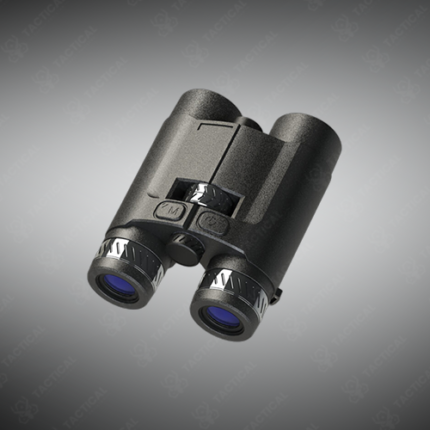
Range Finders
Range finders measure the distance between the operator and a target object using laser pulse time-of-flight, ultrasonic echo, or optical coincidence methods, delivering accurate range data for tactical target engagement, artillery fire direction, surveying, and sporting applications. Military forward observers, sniper teams, security personnel, and field engineers across Pakistan use range finders to determine accurate target distances that inform engagement decisions, indirect fire calculations, and site survey measurements.
Laser range finders transmit a brief infrared laser pulse toward the target and measure the time elapsed before the reflected pulse returns to the receiver, calculating distance from the round-trip travel time at the speed of light. Measurement range on military-grade laser range finders extends from 10 meters minimum to beyond 25 kilometers on high-power designator-class instruments, with standard tactical monocular models covering 5 meters to 5 kilometers against reflective targets. Accuracy runs within plus or minus 1 meter on most quality instruments across the measurement range under standard atmospheric conditions. Additionally, multiple target mode on advanced models measures and displays the range to first, last, or strongest return target within the beam footprint, allowing operators to select the relevant range reading when the beam intersects foreground vegetation or intermediate objects before reaching the intended target.
Angular measurement integration on ballistic range finders captures the inclination angle to the target simultaneously with range measurement, computing the horizontal distance component for accurate ballistic calculations on sloped terrain. Furthermore, built-in ballistic calculators on hunting and tactical variants accept ammunition parameters including muzzle velocity, ballistic coefficient, and zero range, computing holdover values and wind correction factors from the measured range and inclination data without requiring separate manual calculation.
Optical magnification on integrated monocular range finder designs runs between 6x and 10x, with objective lens diameters between 24mm and 42mm providing sufficient light gathering for dawn and dusk operation during border patrol and security observation tasks. Moreover, ranging beam divergence on quality military instruments stays below 0.3 milliradians, minimizing false returns from objects adjacent to the intended target at long measurement distances.
Tactical Supply Pakistan supplies range finders to military forward observer teams, sniper units, border security formations, artillery fire direction centers, and field survey teams requiring accurate distance measurement capability across tactical and technical applications throughout Pakistan.
Showing the single result