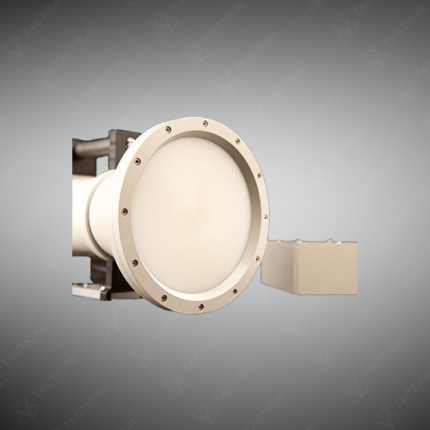
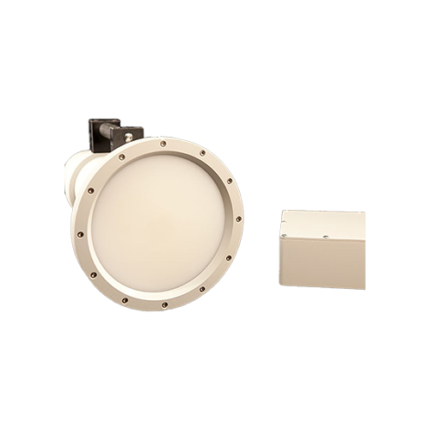
Long Range/Short Range Radar
Long Range and Short Range Radar systems detect, track, and classify airborne, surface, and ground-based targets using radio frequency energy reflected back from objects within the radar’s coverage volume, with the two categories distinguished primarily by detection range, antenna aperture size, and intended operational application. Military air defense networks, border surveillance operations, and critical infrastructure protection programs deploy both radar types together because each covers a distinct portion of the threat detection envelope that the other cannot address alone. Therefore, layered radar coverage combining long and short range systems closes detection gaps that a single radar type would leave exposed.
Long range radar systems operate at lower frequencies — typically L-band (1-2GHz) or S-band (2-4GHz) — using large antenna apertures to achieve detection ranges from 100 kilometers up to 400 kilometers or more against aircraft-sized targets. Furthermore, the lower frequency bands experience less atmospheric attenuation over extended distances, allowing the radar beam to maintain sufficient energy for reliable target detection at maximum range. Consequently, long range radar serves strategic early warning, wide-area airspace surveillance, and ballistic missile detection roles where extended detection time before target arrival matters most.
Short range radar systems operate at higher frequencies — X-band (8-12GHz) or Ku-band (12-18GHz) — providing finer range resolution and target discrimination at the cost of reduced maximum detection distance, typically 5 to 40 kilometers depending on target size. Additionally, short range systems excel at detecting small, slow-moving targets including drones and dismounted personnel that larger long range radars often filter out as clutter due to their small radar cross-section.
Both radar categories use pulse-Doppler signal processing to extract target velocity information and filter ground clutter from genuine moving targets. Moreover, integrated identification friend-or-foe (IFF) interrogation on military variants distinguishes friendly aircraft from unidentified or hostile contacts within the detection envelope.
In Pakistan, long range and short range radar systems serve Pakistan Air Force air defense networks, Pakistan Army ground surveillance units, border security installations, and critical infrastructure protection programs requiring layered detection coverage. Tactical Supply Pakistan supplies Long Range and Short Range Radar systems for defense, border security, and infrastructure protection procurement across Pakistan.
Showing the single result