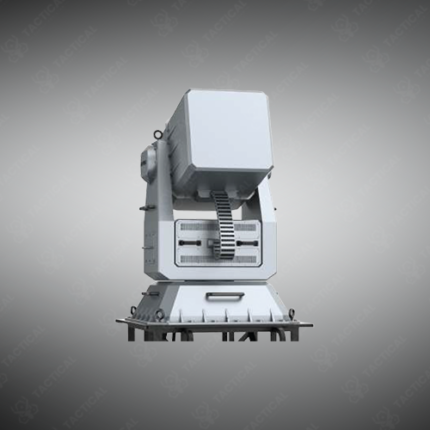
Jamming Rf Signals
Jamming RF signals is the deliberate transmission of radio frequency energy across a target frequency band to raise the local noise floor above the signal threshold of receiving equipment, preventing target receivers from decoding legitimate transmissions. RF jamming disrupts communication links, navigation systems, sensor data feeds, and wireless control channels by overpowering the intended signal at the receiver input with broadband noise, swept interference, or structured jamming waveforms tuned to the target system’s operating frequency and modulation type.
Jamming techniques vary by target system and operational requirement. Barrage jamming broadcasts high-power noise across a wide frequency range simultaneously, disrupting multiple target systems operating across the covered band. Spot jamming concentrates transmit power on a single narrow frequency channel, maximizing interference effectiveness against a specific target signal at lower total power output. Sweep jamming steps or sweeps the interference signal across a defined frequency range at a rate fast enough to deny reliable reception at each frequency as the sweep passes through. Reactive jamming monitors the spectrum and transmits interference only when it detects a target signal, reducing the jammer’s detectability between transmissions.
In Pakistan, understanding RF jamming is operationally relevant for military electronic warfare planning, counter-drone operations, communications security assessment, critical infrastructure protection, and the design of jamming-resistant communication architectures for defense and government networks.
Tactical Supply Pakistan supplies RF jamming detection equipment and counter-jamming communication solutions for military, security, and infrastructure protection applications across Pakistan.
Showing the single result