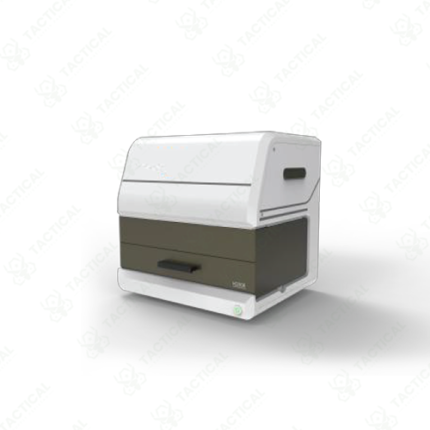
Intelligent Document Automation
Intelligent document automation systems use artificial intelligence, optical character recognition (OCR), and machine learning algorithms to extract, classify, validate, and process data from structured and unstructured documents — replacing manual data entry and paper-based document handling workflows with automated digital pipelines. These systems handle high volumes of incoming documents including forms, contracts, invoices, identity documents, permits, and reports without requiring a human operator to read and re-enter data field by field.
The processing pipeline begins with document ingestion — scanning physical paper or receiving digital files in PDF, TIFF, JPEG, or DOCX formats. OCR engines extract text from document images at character-level accuracy above 99% on high-quality scans. AI classification models then identify document type — distinguishing a passport from a utility bill from a tax form — and route each document to the appropriate extraction template. Named entity recognition (NER) models locate and extract specific data fields such as name, date of birth, document number, issue date, expiry, and address without requiring fixed field positions on the page. Furthermore, validation rules cross-check extracted data against reference databases, format constraints, and logical consistency rules — flagging errors and exceptions for human review rather than passing bad data downstream.
Robotic process automation (RPA) integration connects the extracted, validated data directly to downstream systems — ERP platforms, HR databases, customs management systems, case management software, and national identity registries — without manual copy-paste between interfaces. Additionally, digital signature verification and document authenticity checks using UV feature analysis data and database cross-referencing add a fraud detection layer to document processing workflows handling identity documents, travel documents, and official certificates.
Throughput on enterprise-grade systems reaches thousands of documents per hour on parallel processing server deployments. Cloud and on-premise deployment options cover both data-sensitive government applications and internet-connected commercial environments.
These systems serve Pakistan’s FBR tax document processing operations, NADRA identity verification workflows, Pakistan Customs cargo documentation processing at Karachi Port and Torkham, banking KYC onboarding pipelines, and insurance claims processing departments across Lahore, Karachi, and Islamabad requiring high-volume automated document handling.
Tactical Supply Pakistan supplies intelligent document automation systems for government records processing, identity verification, customs documentation, and enterprise data extraction procurement across Pakistan.
Showing the single result