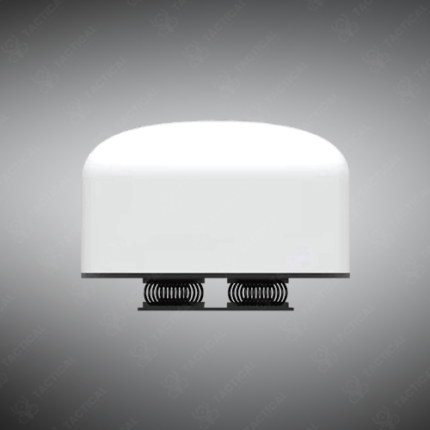
Integrated Drone Detection Jamming System
Integrated drone detection and jamming systems combine multiple sensor layers with RF countermeasure effectors into a single networked platform — detecting, identifying, tracking, and neutralizing unauthorized UAVs without requiring separate detection and defeat hardware from different vendors. These systems cover the full engagement sequence from first detection through confirmed neutralization from a single operator interface.
The detection layer typically integrates three complementary technologies. Passive RF scanners monitor frequency bands from 433MHz to 5.8GHz, identifying drone control links and video downlinks by their transmission signatures. 3D radar systems detect airborne targets at ranges from 500 meters to 10 kilometers, tracking flight paths and generating intercept geometry data. Electro-optical and thermal cameras provide visual confirmation of detected targets — allowing operators to verify a drone threat before activating countermeasures. Furthermore, acoustic sensors on select systems identify drone rotor signatures at short range, providing an additional detection layer in environments with high RF interference.
The jamming layer deploys directional or omnidirectional RF effectors targeting GPS, GLONASS, and drone control frequency bands simultaneously. Directional antenna systems focus jamming energy toward the detected threat — reducing interference with surrounding communications infrastructure compared to omnidirectional broadcast jammers. Jamming power levels on available systems range from 10W on portable units to over 100W on fixed vehicle-mounted or static installations. Additionally, GNSS spoofing modules integrate into advanced systems alongside RF jamming — handling autonomous drones flying pre-programmed GPS waypoints that standard jammers cannot defeat.
Deployment configurations span man-portable backpack units, vehicle-integrated mobile systems, and fixed container-based or rooftop installations. Operating ranges extend from 500 meters on compact portable systems to 5 kilometers on fixed high-power installations. System latency from detection to jamming activation runs under 2 seconds on automated configurations.
These systems apply directly to Pakistan Army forward operating bases, Pakistan Air Force airfield defense, VIP protection operations in Islamabad and Rawalpindi, nuclear facility security perimeters, and Karachi Port critical infrastructure protection requiring fully integrated drone threat detection and defeat without multiple separately managed systems.
Tactical Supply Pakistan supplies integrated drone detection and jamming systems for counter-UAS perimeter defense, airspace protection, and critical facility security procurement across Pakistan.
Showing the single result