Fourier-Transform Infrared Spectroscopy
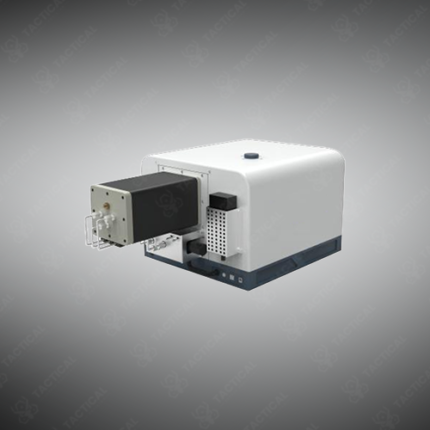
Fourier-Transform Infrared Spectroscopy (FTIR) is a molecular characterization technique that measures the absorption of infrared radiation by chemical bonds within a sample across the full mid-infrared spectral range — typically 4,000 to 400 cm⁻¹ — in a single measurement, producing a spectrum that functions as a molecular fingerprint for compound identification, mixture analysis, contaminant detection, and material verification without the sequential wavelength scanning required by dispersive infrared instruments.
The measurement relies on a Michelson interferometer where a broadband infrared source — typically a silicon carbide globar operating at 1,200°C — emits radiation split by a beam splitter into two optical paths of different and continuously varying lengths. Recombination of these paths produces wavelength-dependent constructive and destructive interference, generating a time-domain interferogram at the detector that encodes absorption information from every infrared wavelength simultaneously. A fast Fourier transform algorithm applied to the digitized interferogram produces the final wavenumber-domain absorption spectrum within seconds of scan completion.
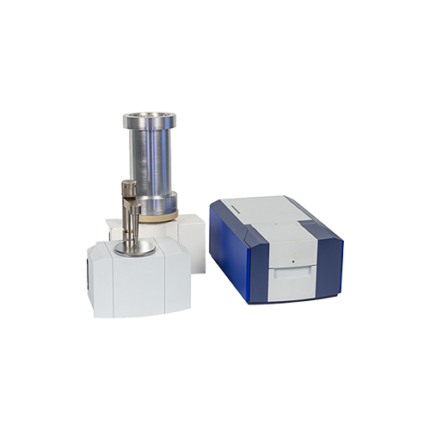
Detector selection determines sensitivity tier: deuterated triglycine sulfate (DTGS) pyroelectric detectors operate at room temperature with moderate sensitivity for routine analysis, while mercury cadmium telluride (MCT) photodetectors cooled to -196°C using liquid nitrogen deliver noise levels an order of magnitude lower for trace analysis and rapid-scan applications. Attenuated total reflectance (ATR) accessories equipped with single-bounce diamond internal reflection elements allow direct contact analysis of solids, liquids, and powders without sample preparation, supporting high-throughput identification workflows in quality control environments.
Near-infrared (NIR) FTIR configurations extending the measurement range to 12,500 cm⁻¹ enable non-destructive analysis of agricultural products, pharmaceutical raw materials, and polymer blends through sealed packaging or container walls, using overtone and combination band absorption features in the NIR region for compositional analysis.
In Pakistan, FTIR spectroscopy instruments are deployed in pharmaceutical quality control laboratories, forensic chemistry units, food safety and adulteration testing facilities, petrochemical and polymer manufacturing, environmental analytical programs, and university chemistry and materials science research departments.
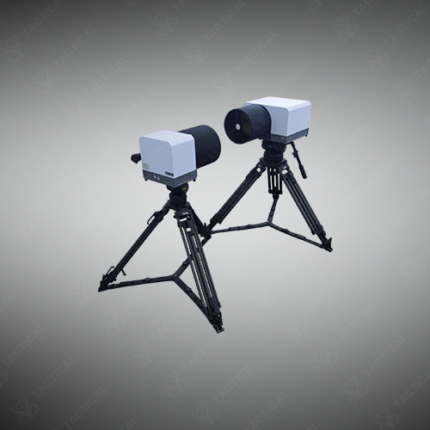
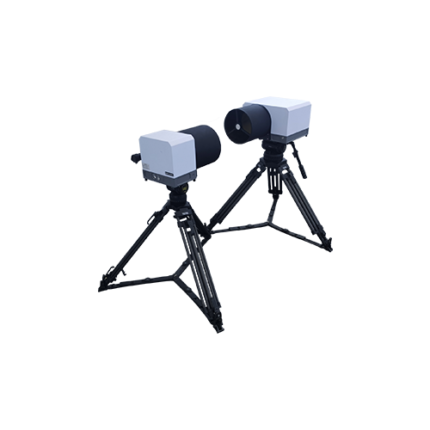
Tactical Supply Pakistan supplies FTIR spectroscopy instruments across benchtop, portable, and NIR-extended configurations for laboratory, industrial, and forensic procurement across Pakistan.
Showing all 3 resultsSorted by latest