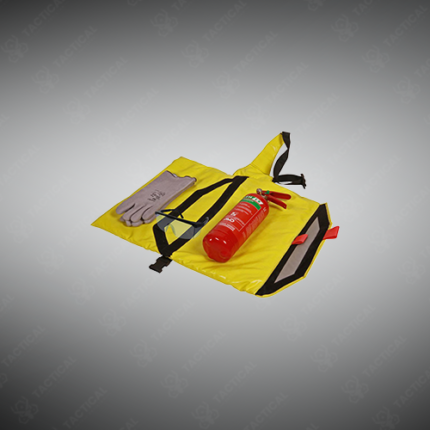
Fire Suppression
Fire suppression encompasses systems and procedures eliminating flames and preventing reignition through diverse agent delivery methods addressing specific fire characteristics. The suppression approach prevents fire escalation enabling protection of occupants and assets.
Fire suppression methodologies span water-based suppression employing sprinkler systems delivering water droplets cooling flames and combustible materials, foam suppression applying aqueous film-forming agents suppressing flammable liquid fires, gaseous suppression employing inert gases or halocarbon alternatives displacing oxygen, and dry chemical suppression interrupting combustion chemistry through powder application.
Water-based systems provide economical suppression for Class A fires (combustible solids). Activation through heat detection enables automatic suppression without requiring manual intervention. Extended cooling duration prevents reignition. Wet pipe systems maintain pressurised water enabling immediate discharge. Dry pipe systems suitable for freeze-prone areas maintain pressurised air requiring delay for water delivery.
Foam systems suppress flammable liquid fires through aqueous film formation preventing vapour release and cooling. Proportioning systems maintain consistent concentrate ratios enabling consistent performance. Low-expansion foams suitable for hand-line application, high-expansion foams suitable for confined space filling.
Gaseous systems suppress fires without water damage suitable for data centres or document archives. Halon replacements (FM-200, HFC-227ea) provide equivalent performance with reduced environmental impact. Nozzle positioning ensures distribution throughout protected space.
Dry chemical systems interrupt free radical chain reactions providing rapid flame suppression. Multipurpose formulations address diverse fire classes.
In Pakistan, fire suppression systems support facility and critical infrastructure protection.
Tactical Supply Pakistan supplies fire suppression systems for building and facility fire protection applications.
Showing the single result