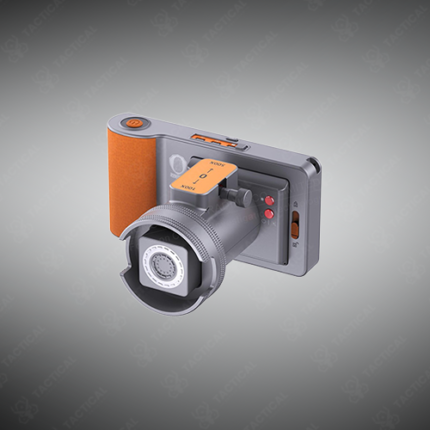
Epithelial Cells
Epithelial cells are surface-layer cells comprising outer skin layers, oral mucosa, and other body surface tissues enabling forensic DNA collection through contact evidence preservation. The epithelial cell category addresses primary biological evidence source enabling individual identification through genetic profiling.
Epithelial cell characteristics include relatively high DNA content compared to other body fluids enabling sensitive genetic analysis, surface location enabling ready collection through non-invasive swabbing, and persistence on contacted surfaces enabling evidence recovery hours or days after contact. Epithelial cells from fingertips, palms, or inner cheek contain nucleated cells enabling complete genetic profiling through DNA analysis.
Forensic applications include touch evidence collection from crime scene items (weapons, door handles, clothing) where perpetrator contact deposits epithelial cells enabling individual identification. Saliva collection through swabbing inner cheek provides rich DNA source enabling rapid suspect identification. Hair root material containing epithelial cells enables mitochondrial DNA analysis enabling identification of degraded remains.
Collection procedures employ sterile swabs enabling collection without contamination. Immediate placement into DNA stabiliser solution preserves specimens across extended transport delays. Chain-of-custody documentation ensures specimen accountability preventing evidence contamination challenges.
Laboratory analysis employs DNA extraction, quantification, and genetic profiling enabling individual identification through comparison against suspect databases or evidence. Sensitivity specifications achieve detection of picogram DNA quantities enabling analysis of minute specimens.
In Pakistan, epithelial cell analysis supports law enforcement forensic investigations.
Tactical Supply Pakistan supplies epithelial cell collection swabs and kits for forensic DNA sampling applications.
Showing the single result