Dual Frequency Induced Polarization
Dual Frequency Induced Polarization (DFIP) is a geophysical electrical measurement technique that applies alternating current to the ground at two different frequencies simultaneously or sequentially, measuring the frequency-dependent impedance response of subsurface materials to characterize their electrical polarizability and resistivity at each frequency. The differential response between the two frequencies — expressed as a percent frequency effect (PFE) or metal factor — provides diagnostic information about subsurface mineralogy, pore fluid chemistry, and material composition that single-frequency resistivity surveys cannot resolve.
The induced polarization phenomenon occurs because certain subsurface materials — particularly disseminated sulfide minerals, clay-rich sediments, and graphitic formations — store and release electrical charge when subjected to an applied current, producing a measurable voltage decay after current cutoff in time-domain IP or a frequency-dependent phase shift in frequency-domain measurements. DFIP systems operate in the frequency domain, injecting current at two selected frequencies — typically spanning a range from 0.1Hz to 10Hz for deeper penetration surveys and 1Hz to 1,000Hz for near-surface applications — and measuring the complex impedance at each frequency through potential electrodes placed at defined separations from the current electrodes.
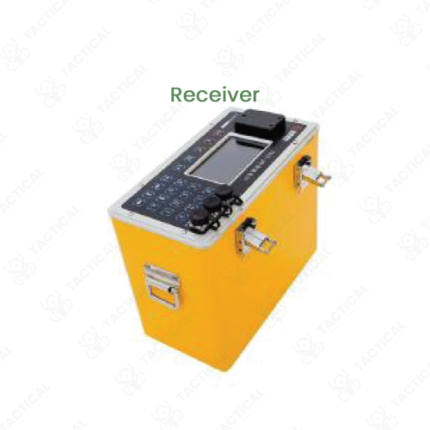
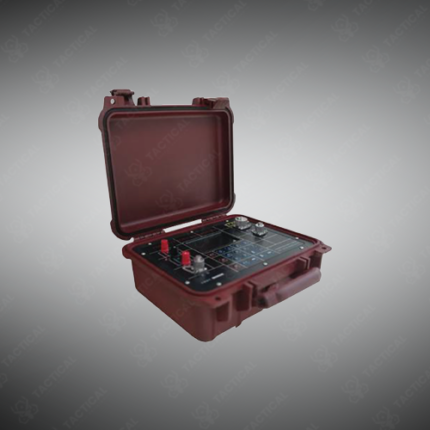
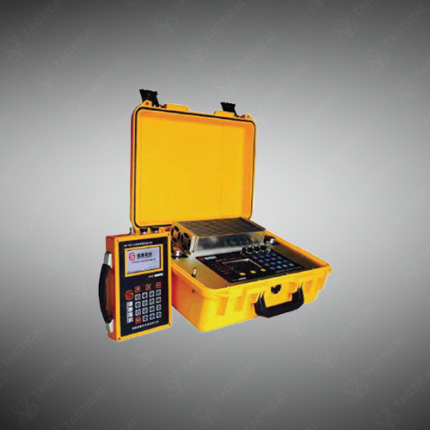
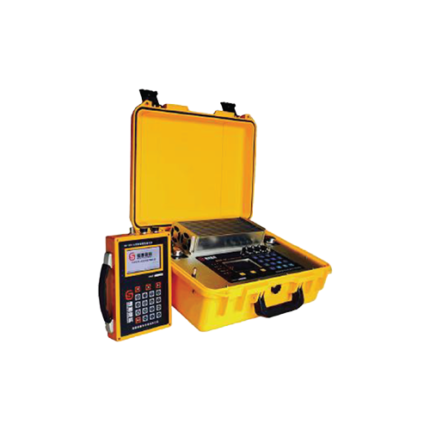
Electrode arrays including dipole-dipole, Wenner, Schlumberger, and pole-dipole configurations define the depth of investigation and lateral resolution of the survey, with larger electrode separations extending measurement depth at the cost of reduced near-surface resolution. Data acquisition units record apparent resistivity and chargeability or phase values at both frequencies for each electrode configuration, building 2D or 3D subsurface models through inversion processing.
Interpretation of DFIP data identifies chargeable anomalies associated with disseminated sulfide ore bodies, porphyry copper deposits, and polymetallic mineralization zones — the primary exploration targets in Pakistan’s Balochistan and Khyber Pakhtunkhwa mineral belts.
In Pakistan, DFIP surveys support base metal and precious metal exploration programs, groundwater and aquifer characterization, archaeological site mapping, and environmental contamination assessment.
Tactical Supply Pakistan supplies Dual Frequency Induced Polarization survey systems and electrode array hardware for geological exploration and geophysical survey procurement across Pakistan.
Showing all 3 resultsSorted by latest