3d Printing Laser Scanner
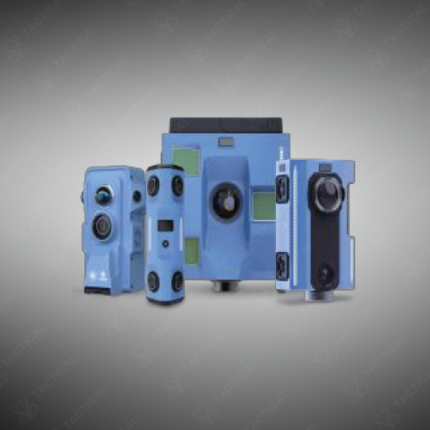
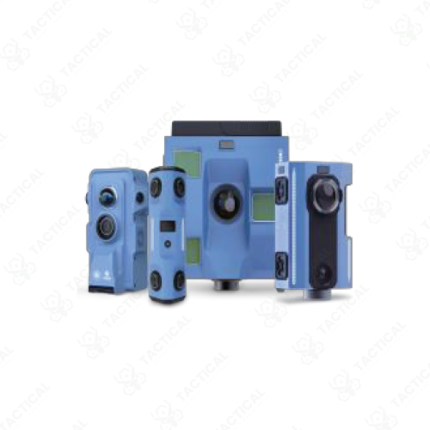
A 3D printing laser scanner bridges the gap between physical objects and digital fabrication by capturing precise surface geometry that feeds directly into 3D printing workflows. The scanner emits a structured laser line or dot pattern across an object’s surface, with sensors recording depth and contour data to generate a dense point cloud. This raw data is then processed through compatible software — typically outputting STL, OBJ, or PLY file formats — ready for slicing and printing without extensive manual modelling.
Handheld models generally cover scan volumes suited to objects ranging from small mechanical components to full assemblies, with accuracy figures typically falling between 0.05mm and 0.3mm depending on the sensor grade. Mid-range units weigh between 0.9kg and 1.5kg, making them practical for bench work and field capture alike. Many models connect via USB-C or Wi-Fi to a laptop or dedicated processing unit running the bundled point cloud software.
In Pakistan, the combination of 3D scanning and printing is gaining traction in defence manufacturing support, custom equipment fabrication, spare parts replication for legacy machinery, and product prototyping. Workshops supporting tactical equipment repair or modification particularly benefit from the ability to reverse-engineer components that are no longer commercially available.
Tactical Supply Pakistan supplies 3D printing laser scanners suited to both professional fabrication environments and technical field units requiring on-site part capture and reproduction capability.
Showing the single result