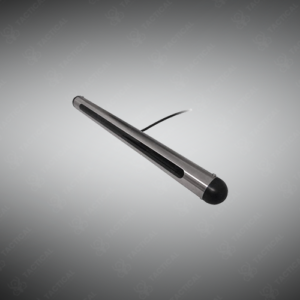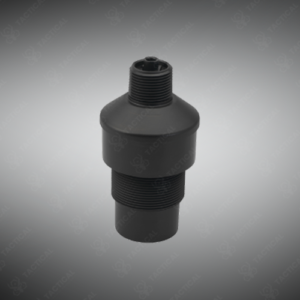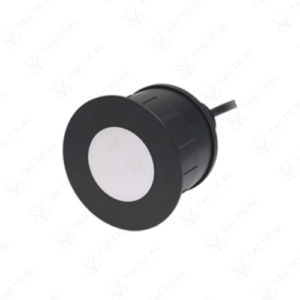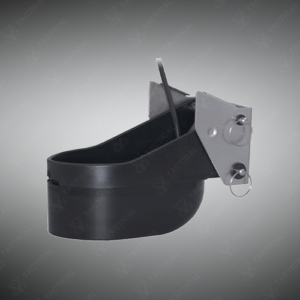
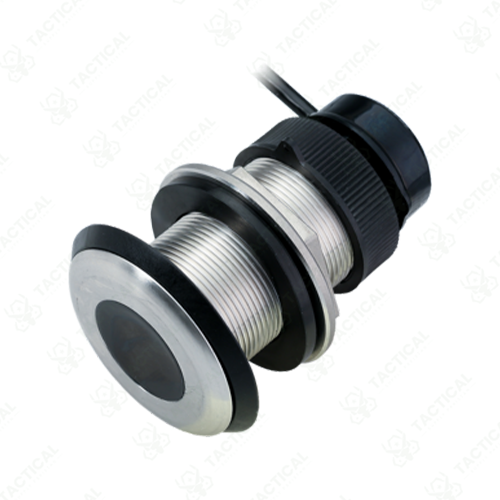
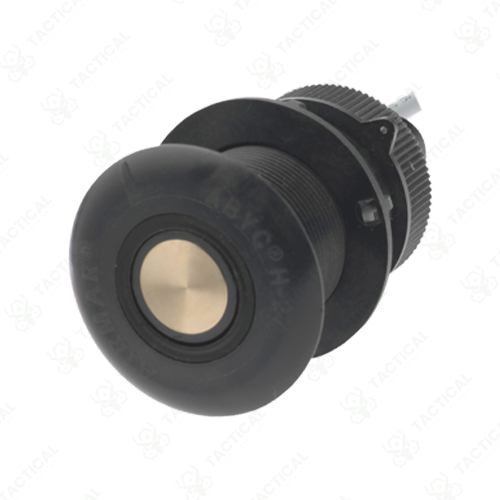
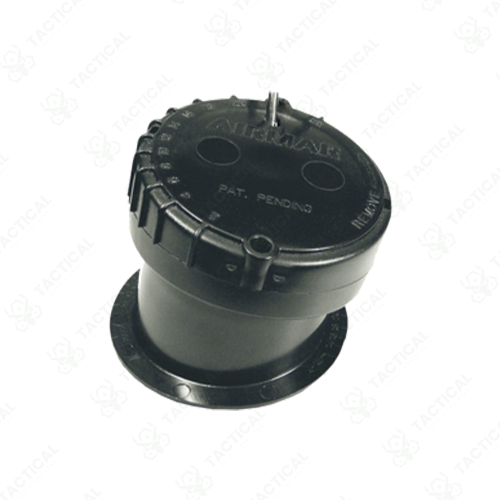
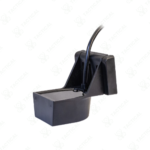
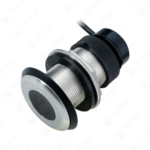
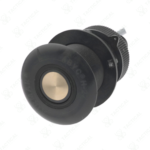
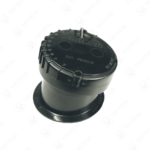
NMEA/SMART Transducers
Smart marine transducers with built-in processing that output depth, speed, temperature, and motion data directly to NMEA networks.
Key Features:
✔️ Integrated smart electronics convert raw sensor signals into standard NMEA data
✔️ Direct output to NMEA 0183 and NMEA 2000® marine networks
✔️ Supports depth, vessel speed, water temperature, and motion data (model dependent)
✔️ Eliminates the need for external sounder or processing modules
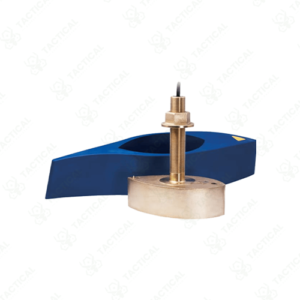
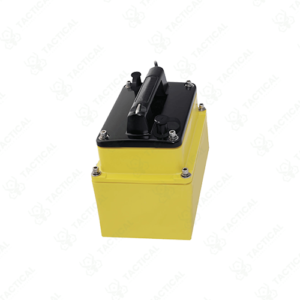
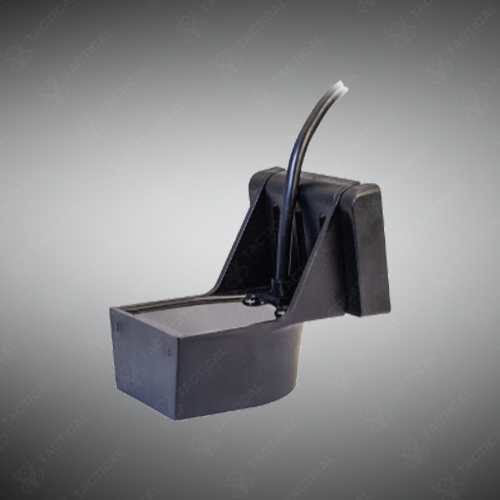
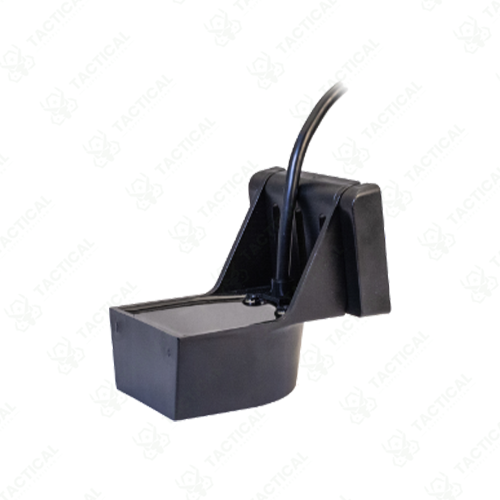
✔️ Available in thru-hull, transom, low-profile, and tilted-element mounting styles
✔️ Offered in plastic, bronze, and stainless-steel housing options
✔️ Provides stable, accurate digital data to chartplotters and onboard systems
✔️ Marine-grade construction designed for long-term saltwater operation
NMEA/SMART Transducers
NMEA/SMART Transducers integrate depth measurement up to 183 meters, paddlewheel or ultrasonic speed sensing up to 52 knots, and water temperature monitoring within a single housing unit. These sensors operate at 235 kHz frequency to avoid interference with standard 50/200 kHz fishfinders. Available housing materials include plastic, bronze, and stainless steel, with retractable designs featuring self-closing valves for maintenance access. The transducers accommodate hull deadrise angles from 0° to 24° with tilted element configurations. Installation requires a standard 51mm hole size for thru-hull mounting or transom bracket attachment depending on vessel type.
Embedded microelectronics position the signal processor millimeters from the transducer element, converting raw sensor data directly into NMEA 0183 sentences or NMEA 2000 data formats. NMEA 2000 models draw power from the network backbone through standard drop cables and T-connectors. NMEA 0183 versions require 12V external power supply connection. Low-profile housings extend only 5mm beyond hull surfaces to minimize hydrodynamic drag at high speeds. Beamwidth specifications range from 10° to 14° depending on ceramic element configuration.
Naval patrol vessels and coast guard cutters deploy NMEA/SMART Transducers for navigation accuracy during littoral operations where shallow-water depth readings below 1.6 feet matter. Commercial fishing fleets utilize the speed-through-water data for net deployment calculations and fuel consumption monitoring. Military search-and-rescue aircraft coordinate with surface vessels using standardized NMEA network protocols for real-time positioning.
Tactical Supply Pakistan delivers genuine Airmar technology with full technical support and installation guidance for defense contractors and maritime operators. The company maintains inventory of all housing configurations to match urgent operational requirements.
Can NMEA/SMART Transducers operate alongside existing fishfinder transducers without signal interference?
Yes, the 235 kHz operating frequency prevents crosstalk with conventional 50/200 kHz fishfinder systems, allowing simultaneous operation on the same vessel.
- Fast Shipping: We partner with reliable delivery services to make sure your order gets to you quickly. We work hard to ensure every package arrives safely and on time.
- Quick Processing: Your order is processed and prepared for shipping within 24 to 48 hours. This allows us to send it out to you as fast as possible after your payment is confirmed.
- Tracking: Once your order is on its way, we will provide you with a tracking number. You can use this number to easily follow your package's journey and know exactly when it will arrive.
- Nationwide Delivery: We offer delivery to all locations across Pakistan, including major cities and remote areas. No matter where you are, we can get your order to you.
At Tactical Supply Pakistan, our relationship with you doesn't end after a sale. We are dedicated to making the long-term performance and reliability of our high-quality tactical and supplied equipment. Our commitment is to provide you with seamless support and peace of mind.
- Free Installation: We'll set up your new equipment for you, so it's ready to go. You can focus on your work while our engineers handle as per the guidelines for manufacturer.
- Maintenance: We offer quick replacements where necessary, to keep your gear in top condition. Our team will make sure your equipment is always ready when you need it.
- Customer Support: We're always here to help. Our support team is available to answer your questions and assist you long after you've made a purchase.
- Planned Preventative Maintenance: Our service includes preventative maintenance to keep your equipment in peak condition and prevent future issues.
HAVE QUESTIONS?
Fill out the form, and our team will respond promptly to assist with your product inquiries or order support.