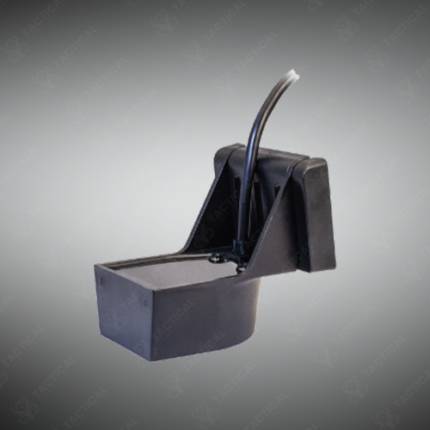
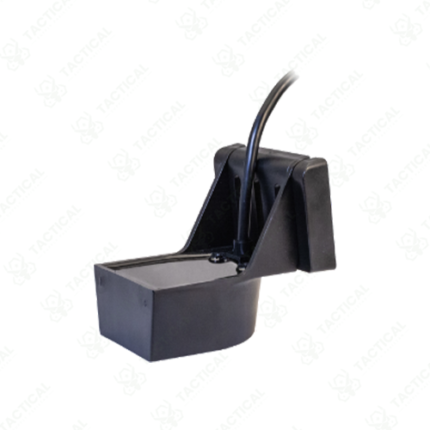
NMEA Smart Transducers Manual
NMEA smart transducers convert physical measurements such as depth, speed, temperature, and pressure into standardized digital data outputs compatible with NMEA 0183 or NMEA 2000 marine electronics networks. These transducers integrate directly into vessel instrumentation systems, eliminating the analog signal conversion hardware that traditional transducers require.
Unlike basic analog transducers, smart transducers contain onboard signal processing electronics. They convert raw sensor signals into formatted NMEA data sentences before transmission. Depth transducers use piezoelectric ceramic elements operating at frequencies from 50kHz to 200kHz, depending on water depth range and resolution requirements. Furthermore, dual-frequency transducers combine low-frequency elements for deep water ranging with high-frequency elements for precise shallow water detail, outputting both readings simultaneously on the same data bus.
Speed transducers use paddlewheel or ultrasonic Doppler technology to measure vessel speed through water, distinguishing this from GPS-derived speed over ground. Temperature transducers integrate directly into depth or speed transducer housings, sharing a single hull penetration rather than requiring separate fittings. Additionally, NMEA 2000 smart transducers broadcast multiple data parameters from a single physical device, reducing the number of through-hull fittings and cable runs needed on smaller vessels.
Manual installation procedures specify hull penetration location, transducer orientation relative to vessel centerline, and minimum clearance from turbulence-generating hull features including chines and strakes. Calibration procedures align transducer output with known reference values, correcting for installation angle and local water flow characteristics. Moreover, network addressing configuration assigns each transducer a unique NMEA 2000 source address, preventing data conflicts when multiple smart transducers share the same network bus.
Waterproof connector systems rated to IP67 or higher protect transducer electronics from saltwater intrusion at the hull penetration point. Cable lengths from transducer to network connection point typically run 3 to 10 meters depending on installation location within the vessel.
These transducers serve Pakistan Navy vessel instrumentation upgrade programs, commercial fishing fleet operators along the Makran Coast, Pakistan Maritime Security Agency patrol craft, and recreational boat owners across Karachi requiring integrated depth, speed, and temperature measurement capability.
Tactical Supply Pakistan supplies NMEA smart transducers and installation support for vessel instrumentation, marine navigation, and maritime monitoring procurement across Pakistan.
Showing the single result