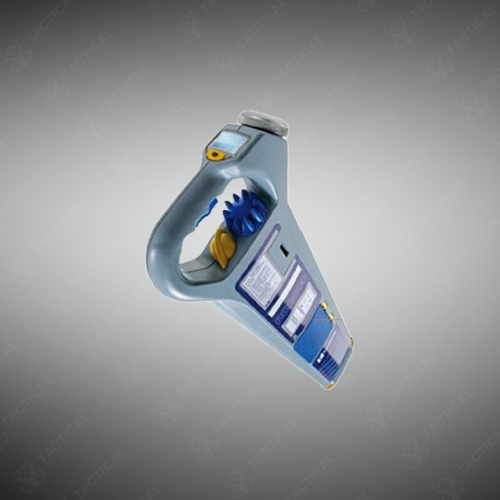
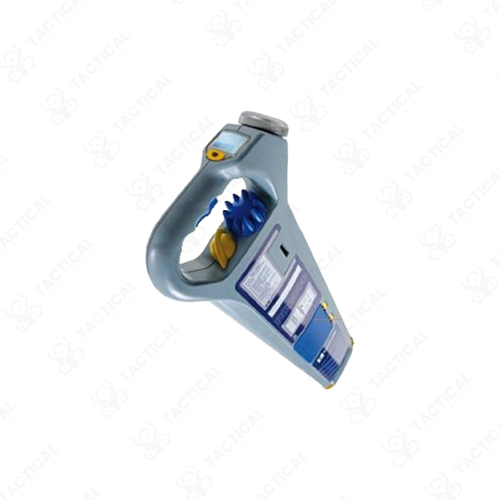
SuperCAT Underground Assets Locator
Specialist underground asset locator designed to detect and trace a wide range of buried cables, pipes, and sondes, supporting safer excavation across diverse industries and environments.
Key Features:
✔️ Detects buried cables and pipes to reduce utility strikes and excavation risk
✔️ Supports a wide range of active frequencies for different cable types
✔️ Higher frequencies (65 kHz / 131 kHz) for locating well-insulated utilities
✔️ Lower frequency options for long-range tracing of low-resistance power lines
✔️ CPS model locates cathodic protection signals without external transmitters
✔️ Sonde frequency support for locating water, drain, and cast-iron pipes
✔️ Optimized for challenging environments including deep assets and urban noise
✔️ Industry-specific models suited for utilities, oil & gas, and infrastructure work
SuperCAT Underground Assets Locator
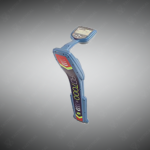
The RD2000 SuperCAT Underground Assets Locator features a multi-frequency receiver capable of detecting signals from 512 Hz to 131 kHz. This unit weighs 0.9 kilograms and operates with a single-hand grip design for extended field use. The device includes a 3.5-inch monochrome display that shows signal strength, depth readings, and current measurements. Its antenna system automatically switches between horizontal and vertical orientations based on detected field strength.
The CPS model variant detects rectified cathodic protection signals without requiring transmitter attachment to pipelines. S-model configurations support multiple sonde frequencies for water and drainage pipe tracing. Lower frequency sondes around 512 Hz penetrate deeper soil layers to locate cast-iron infrastructure. Higher frequency options at 33 kHz perform better in electronically congested urban zones. The unit’s IP54 rating provides protection during light rain and dusty conditions.
Oil and gas industry technicians use the RD2000 SuperCAT Underground Assets Locator to monitor cathodic protection systems on buried pipelines. Municipal water departments deploy these locators to map aging distribution networks before rehabilitation projects. Military base operators trace utility corridors during infrastructure upgrades and security installations. Telecommunication companies rely on the 65 kHz and 131 kHz modes to find insulated fiber-optic conduits and twisted-pair cables beneath roadways and building foundations.
Tactical Supply Pakistan supplies this locating equipment to professionals requiring reliable underground utility detection across diverse operational environments. The company maintains stock of compatible transmitters and sondes for complete system deployment.
How does frequency selection affect locating performance?
Lower frequencies like 512 Hz travel farther along conductive cables and penetrate greater depths but offer less selectivity in congested areas. Higher frequencies such as 65 kHz or 131 kHz provide sharper signal definition for well-insulated utilities but have reduced range and depth penetration capabilities.
- Fast Shipping: We partner with reliable delivery services to make sure your order gets to you quickly. We work hard to ensure every package arrives safely and on time.
- Quick Processing: Your order is processed and prepared for shipping within 24 to 48 hours. This allows us to send it out to you as fast as possible after your payment is confirmed.
- Tracking: Once your order is on its way, we will provide you with a tracking number. You can use this number to easily follow your package's journey and know exactly when it will arrive.
- Nationwide Delivery: We offer delivery to all locations across Pakistan, including major cities and remote areas. No matter where you are, we can get your order to you.
At Tactical Supply Pakistan, our relationship with you doesn't end after a sale. We are dedicated to making the long-term performance and reliability of our high-quality tactical and supplied equipment. Our commitment is to provide you with seamless support and peace of mind.
- Free Installation: We'll set up your new equipment for you, so it's ready to go. You can focus on your work while our engineers handle as per the guidelines for manufacturer.
- Maintenance: We offer quick replacements where necessary, to keep your gear in top condition. Our team will make sure your equipment is always ready when you need it.
- Customer Support: We're always here to help. Our support team is available to answer your questions and assist you long after you've made a purchase.
- Planned Preventative Maintenance: Our service includes preventative maintenance to keep your equipment in peak condition and prevent future issues.
HAVE QUESTIONS?
Fill out the form, and our team will respond promptly to assist with your product inquiries or order support.