Spectre Videoscope
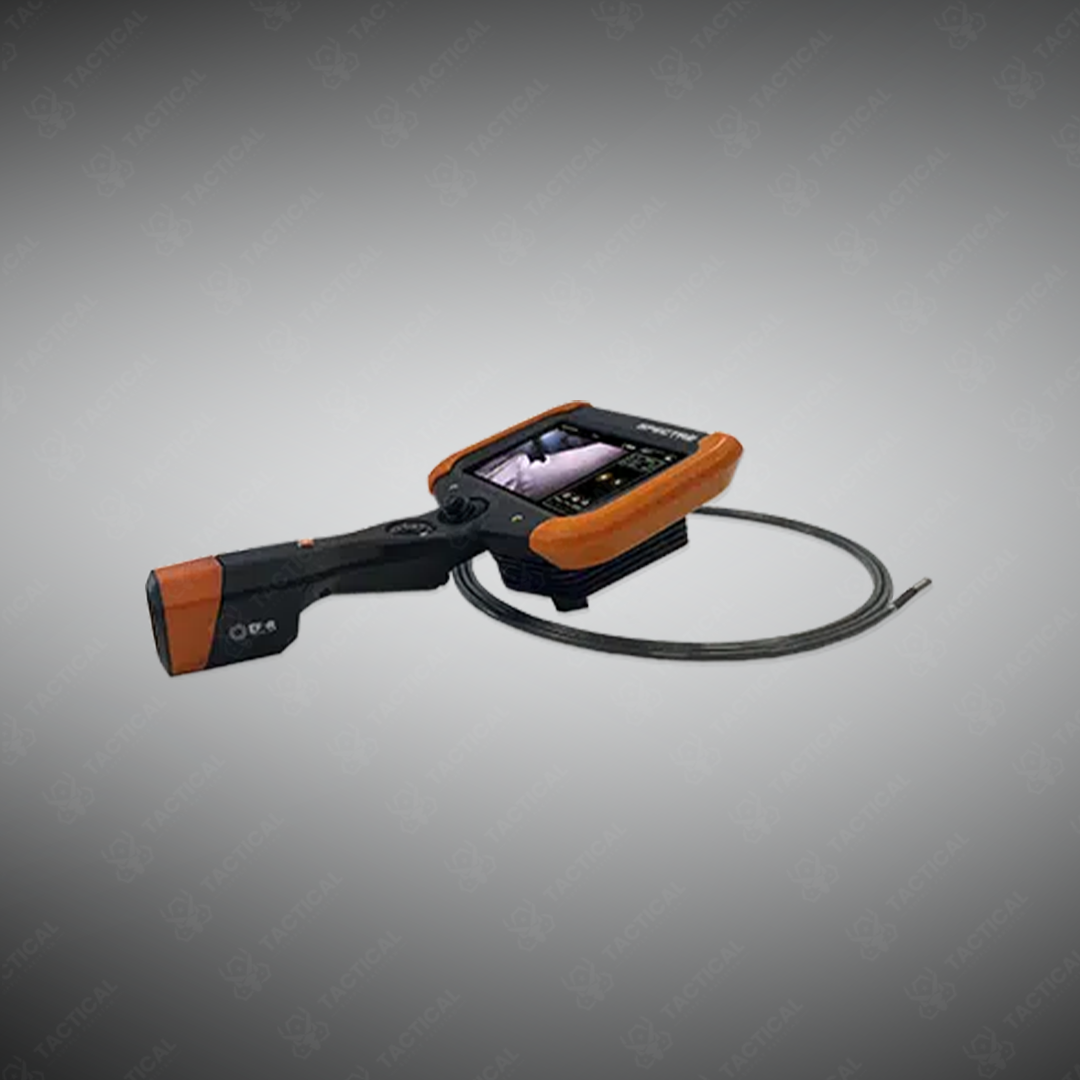
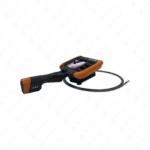
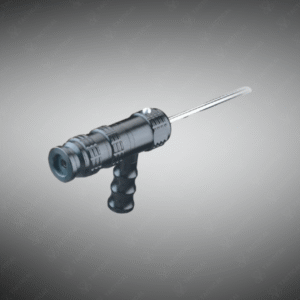
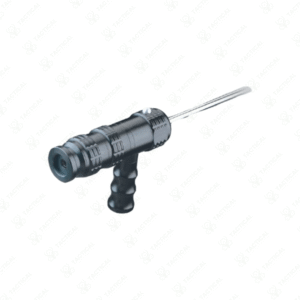
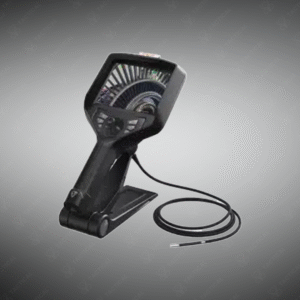
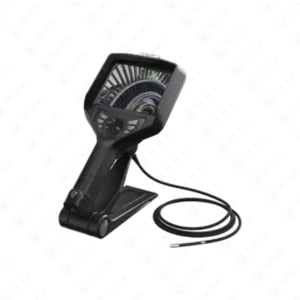
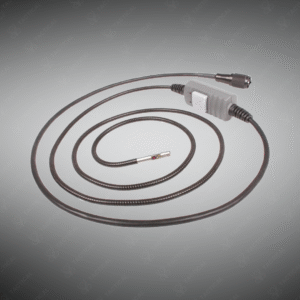
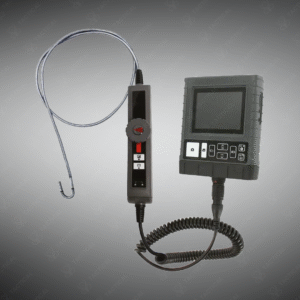
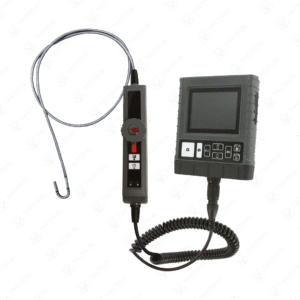
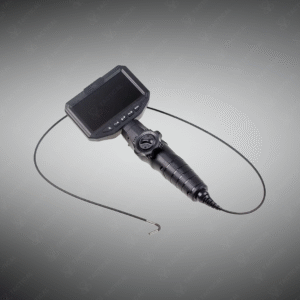
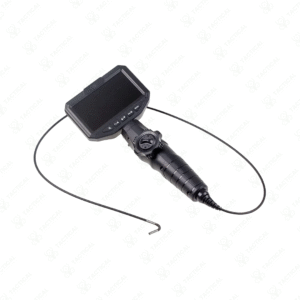
The Spectre Videoscope features interchangeable probe heads with diameters of 4mm, 6mm, and 8mm, extending to working lengths of 15 meters for deep cavity inspections. Each probe incorporates a self-contained design with a rechargeable battery housed internally, eliminating external power cable constraints during handheld operations. The articulation system uses a panoramic joystick mounted on the ergonomic handle, controlling multidirectional tip movement with selectable manual or automatic speed settings. Optical heads switch between axial forward-facing vision and lateral side-viewing configurations, with standard or stereo imaging modes available. Tungsten braid impregnation reinforces the flexible sheathing against abrasion in harsh industrial environments.
The 7-inch WXGA touchscreen display presents video through an intuitive three-level menu system, simplifying access to recording functions and image adjustment tools. LED lighting intensity adjusts automatically based on ambient conditions, while a distal temperature alarm warns operators if the probe tip approaches heat thresholds. Real-time zoom magnifies specific areas without losing resolution, and image freeze capability captures frames for detailed examination. The 3DSIZER algorithm processes stereo imagery to calculate dimensional measurements of defects or components in three-dimensional space.
Power plant maintenance crews use the Spectre Videoscope to inspect steam turbine blade erosion and boiler tube integrity, measuring corrosion depth through stereo imaging without manual gauging tools. Aerospace manufacturers examine aircraft structural joints and hydraulic system interiors, documenting component wear with annotated video evidence.
Tactical Supply Pakistan delivers this videoscope system with multiple optical head configurations and charging accessories, supporting standalone field operations or continuous mains-powered use during extended inspection campaigns.
How does the stereo measurement function calculate defect dimensions without physical contact?
The 3DSIZER algorithm analyzes parallax differences between dual stereo images, computing depth and size measurements accurate to within 2% of actual dimensions.