PREMIUM TACTICAL GEAR – SERVING CIVIL & DEFENSE SECTORS
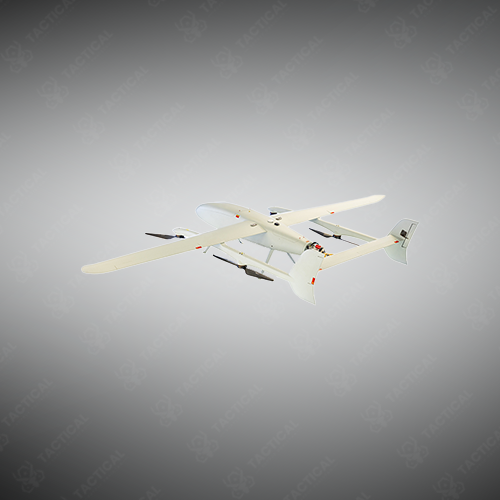
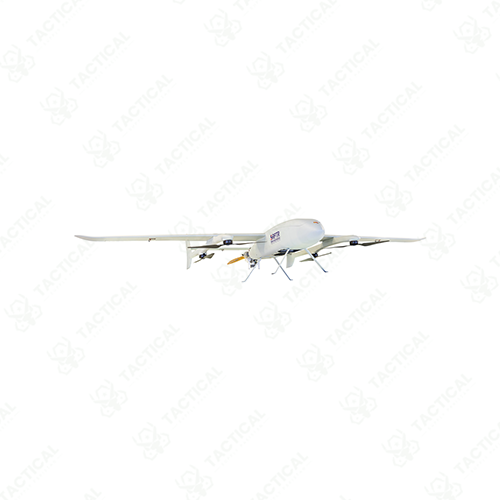
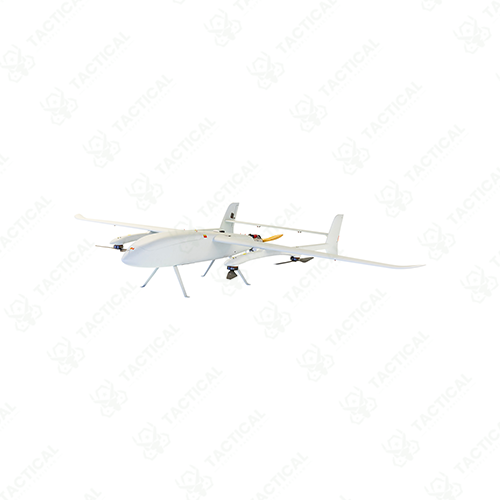
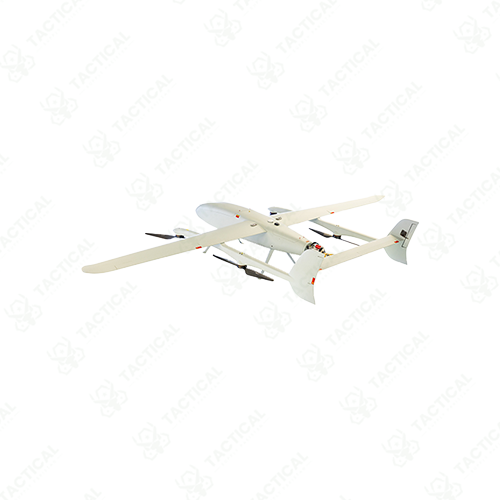
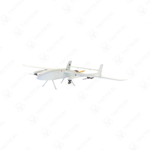
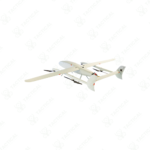
High-performance reconnaissance drone for real-time nuclear and chemical detection with precise mapping and rapid contamination source identification.
Key Features:
✔️Equipped with TIMS, multi-sensor fusion, and scintillator + SiPM nuclear detection technology
✔️Detects trace chemical agents, industrial toxic gases, and radioactive contamination online
✔️Real-time data visualization and 3D contamination mapping on the drone’s control terminal
✔️Flight platform: DJI Matrice M300 RTK with intelligent six-dimensional obstacle avoidance
✔️Longest flight time: 55 minutes with a flight radius ≥ 7.5 km
✔️High-speed flight up to 23 m/s and image transmission distance ≥ 15 km
✔️Detection range starting from 0.01 µSv/h with ±10% accuracy for nuclear sources (35 keV–1.5 MeV)
✔️Operates in extreme temperatures: -40°C to 52°C, suitable for harsh environments
Nuclear Detection and Reconnaissance Drone integrates DJI Matrice M300 RTK flight platform with time-of-flight ion mobility spectrometry, multi-sensor array fusion, and scintillation crystal plus silicon photomultiplier detection payload. This aerial system detects chemical warfare agents, industrial toxic gases, and radioactive contamination with real-time data transmission to ground control terminals. Flight capabilities include 15-kilometer image transmission range, 7.5-kilometer operational radius, 23 meters per second maximum velocity, and 55-minute endurance. Intelligent six-dimensional positioning enables obstacle avoidance during autonomous reconnaissance missions.
Nuclear detection spans 0.01 μSv/h minimum sensitivity with ±10% accuracy across 35keV-1.5MeV energy spectrum using scintillator-SiPM technology. Chemical agent detection thresholds include sarin, soman, lewisite, tabun, and VX at 0.2 mg/m³, mustard gas at 1 mg/m³, hydrogen cyanide and phosgene at 10 mg/m³. Industrial gas detection covers ammonia, sulfur dioxide, nitrogen dioxide, hydrogen sulfide, carbon monoxide, and hydrofluoric acid at 10 mg/m³, with chlorine and hydrogen chloride at 20 mg/m³. Operating temperature range extends from -40°C to 52°C.
Military chemical-biological-radiological-nuclear reconnaissance units deploy the Nuclear Detection and Reconnaissance Drone for standoff contamination mapping following suspected weapons releases or industrial accidents in denied-access territories. Naval base security forces launch these platforms to survey port facilities and anchored vessels for radiological threats without exposing personnel. Air force emergency response teams utilize the system to characterize contamination plumes at crash sites involving nuclear-capable aircraft. Hazardous materials teams employ aerial reconnaissance to establish safe approach corridors and decontamination station locations.
Tactical Supply Pakistan delivers unmanned aerial detection systems enabling rapid threat characterization while maintaining operator safety distances from contaminated environments.
How does the drone maintain detection accuracy during high-speed flight operations?
The millisecond-level sensor response time and real-time data processing algorithms compensate for platform movement, generating accurate three-dimensional contamination maps even at maximum 23 m/s flight speeds through continuous sampling and GPS-synchronized georeferencing.
At Tactical Supply Pakistan, our relationship with you doesn't end after a sale. We are dedicated to making the long-term performance and reliability of our high-quality tactical and supplied equipment. Our commitment is to provide you with seamless support and peace of mind.
Fill out the form, and our team will respond promptly to assist with your product inquiries or order support.
WhatsApp us