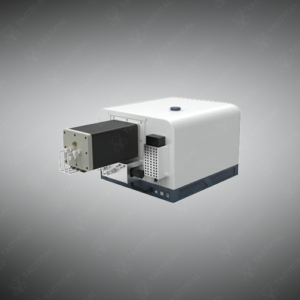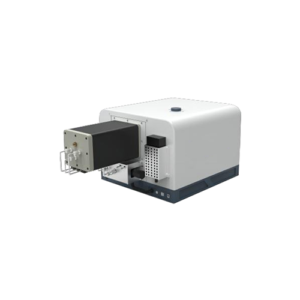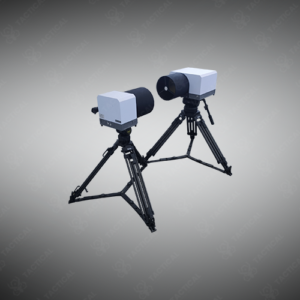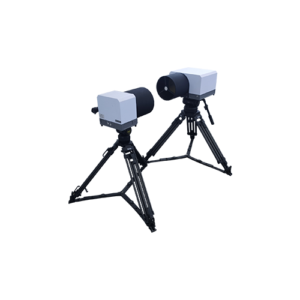
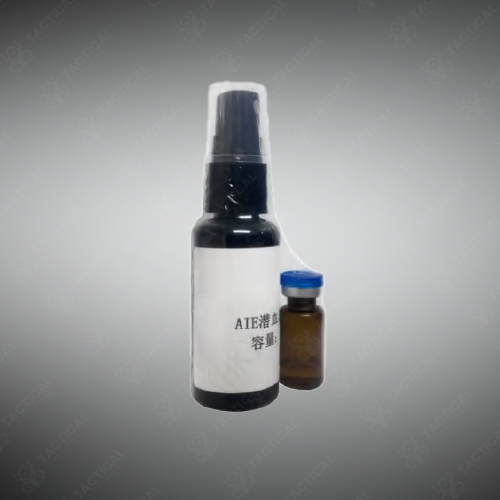
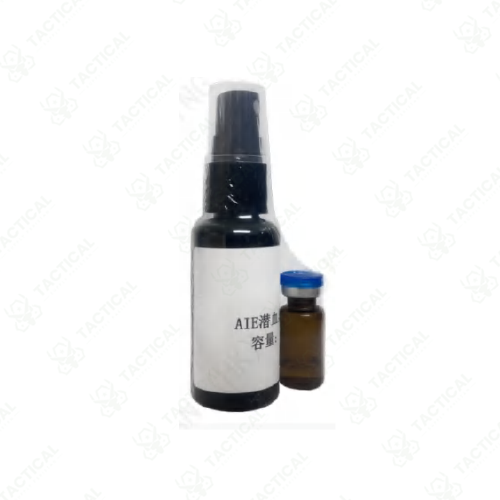
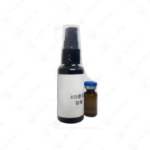
AIE Blood Detection Reagent
Forensic reagent for sensitive development of latent fingerprints on complex and multi-surface evidence.
Key Features:
✔️ Detects latent fingerprints on non-permeable and semi-permeable surfaces
✔️ Effective on multicolored, patterned, and complex backgrounds
✔️ Compatible with paper, wood, walls, plant leaves, ceramic, metal, glass, plastic, foam, and cardboard
✔️ Works on damp and challenging surfaces without compromising detail
✔️ Enhances visibility of fingerprints for accurate documentation
✔️ Safe, reliable, and non-destructive for forensic analysis
✔️ Suitable for crime scene and laboratory investigations
✔️ Supports rapid, precise, and high-contrast fingerprint development
AIE Blood Detection Reagent
AIE Blood Detection Reagent develops latent fingerprints on non-permeable and semi-permeable surfaces with multicolored or complex backgrounds. It functions effectively on paper, wooden doors, lime walls, plant leaves, ceramic tiles, banknotes, stainless steel, aluminum alloy, aluminum foil, glass, plastic bags, PVC conduits, foam, and cardboard from ink cartons or boxes. The reagent also performs on damp surfaces where moisture prevents traditional fingerprint development methods from producing usable results.
This chemical formulation utilizes aggregation-induced emission technology to detect blood components in latent fingerprint residue on challenging substrates. The reagent binds to hemoglobin and serum proteins present in fingerprint deposits, producing fluorescent visualization under appropriate wavelength illumination. Multi-surface compatibility eliminates the need for substrate-specific reagent selection during evidence processing. Performance on complex backgrounds allows fingerprint recovery from patterned materials that obscure ridge detail using conventional powder or chemical techniques. Damp surface capability enables immediate processing without waiting for evidence drying, reducing scene processing time.
Violent crime investigators use the AIE Blood Detection Reagent to recover bloody fingerprints from weapons and surfaces at assault scenes. Military criminal investigation divisions apply it to process evidence from outdoor crime scenes where environmental moisture contaminates surfaces. Naval boarding teams utilize the multi-surface formulation during contraband inspections on diverse packaging materials. Aviation security personnel employ it to examine aircraft components and cargo containers where complex surface textures prevent standard fingerprint development methods from revealing latent impressions.
Tactical Supply Pakistan supplies advanced reagent technology that overcomes traditional fingerprint development limitations on challenging Pakistani crime scene materials, from rural construction surfaces to urban packaging materials, ensuring comprehensive evidence recovery across diverse investigation environments.
Does the reagent require specific excitation wavelengths for visualization?
The AIE compounds respond optimally to blue light at 445-470nm and green light at 520-540nm wavelengths. Standard forensic light sources with appropriate barrier filters reveal developed fingerprints effectively during documentation procedures.
- Fast Shipping: We partner with reliable delivery services to make sure your order gets to you quickly. We work hard to ensure every package arrives safely and on time.
- Quick Processing: Your order is processed and prepared for shipping within 24 to 48 hours. This allows us to send it out to you as fast as possible after your payment is confirmed.
- Tracking: Once your order is on its way, we will provide you with a tracking number. You can use this number to easily follow your package's journey and know exactly when it will arrive.
- Nationwide Delivery: We offer delivery to all locations across Pakistan, including major cities and remote areas. No matter where you are, we can get your order to you.
At Tactical Supply Pakistan, our relationship with you doesn't end after a sale. We are dedicated to making the long-term performance and reliability of our high-quality tactical and supplied equipment. Our commitment is to provide you with seamless support and peace of mind.
- Free Installation: We'll set up your new equipment for you, so it's ready to go. You can focus on your work while our engineers handle as per the guidelines for manufacturer.
- Maintenance: We offer quick replacements where necessary, to keep your gear in top condition. Our team will make sure your equipment is always ready when you need it.
- Customer Support: We're always here to help. Our support team is available to answer your questions and assist you long after you've made a purchase.
- Planned Preventative Maintenance: Our service includes preventative maintenance to keep your equipment in peak condition and prevent future issues.
HAVE QUESTIONS?
Fill out the form, and our team will respond promptly to assist with your product inquiries or order support.