Wound Closure Simulators
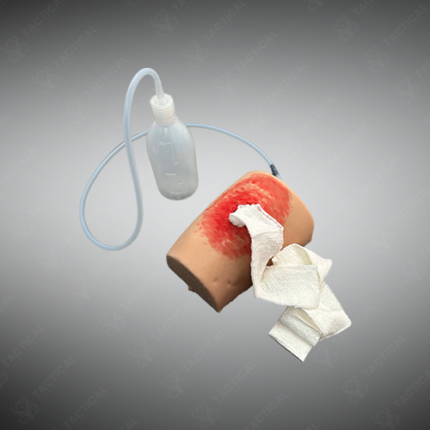
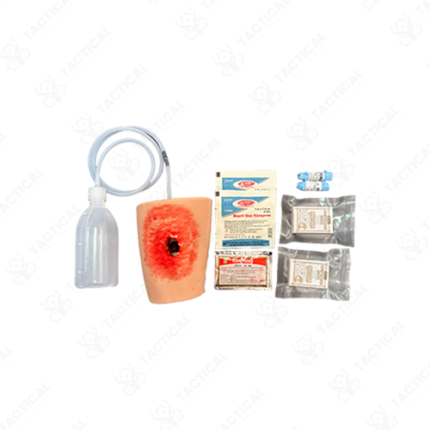
Wound closure simulators are training devices featuring synthetic tissue with realistic wound characteristics enabling medical personnel to practice suture placement, knot tying, and closure techniques before conducting procedures on actual patients. These realistic models provide safe, repeatable training environments where healthcare professionals develop manual dexterity, learn appropriate suture material selection, and understand tissue response to various closure approaches critical for surgical competency.
Simulator construction uses materials replicating skin, subcutaneous tissue, and muscle layer mechanical properties including elasticity, texture, and resistance to needle penetration. Synthetic tissue responds realistically to suture material tension preventing excessive compression that would cause tissue damage. Replaceable tissue sections enable extended training without requiring complete simulator replacement supporting cost-effective training program delivery.
Wound configurations represent common clinical presentations including simple lacerations, contaminated wounds, tissue defects, and surgical incisions. Different tissue thicknesses challenge learners to adapt needle angle and penetration depth preventing common suturing errors. Training progression advances from simple wounds to complex multi-layer closures requiring coordination across tissue planes.
Suture material variety including absorbable and non-absorbable options, monofilament and braided designs, and varied gauges enables practice with diverse closure approaches. Knot-tying practice emphasizes proper technique maintaining security while minimizing tissue trauma. Assessment of closure appearance develops understanding of cosmetic outcome factors and suture placement optimization.
Training protocols emphasize infection prevention through sterile technique, appropriate material selection for anatomical location, tension management preventing tissue damage, and closure aesthetics affecting patient satisfaction. Instructor feedback guides correction of common errors preventing development of harmful habits.
In Pakistan, nursing schools use wound closure simulators in clinical curriculum. Surgical training programs develop surgeon competency. Military medical training develops field surgeon skills. Hospital nursing departments conduct orientation and skill refresher training.
Tactical Supply Pakistan supplies wound closure simulators for nursing, surgical, military medical, and hospital clinical training applications across Pakistan.
Showing the single result